
Stock flowers (Matthiola incana) are one of those old-fashioned garden plants that punch way above their weight. The fragrance alone is worth the effort, a sweet, clove-like scent that drifts across the whole garden on a cool evening. They also make incredible cut flowers, lasting well in a vase and perfuming an entire room. The good news is they're not difficult to grow once you understand one key thing: stock loves cool weather. Get your timing right, and you'll have armloads of blooms. Rush it into heat, and you'll be frustrated. This guide walks you through the whole process, from picking a variety to harvesting your first stems.
How to Grow Stock Flowers From Seed to Bloom

James Holloway
24 Mar 2026
Stock flower basics: types and picking the right variety
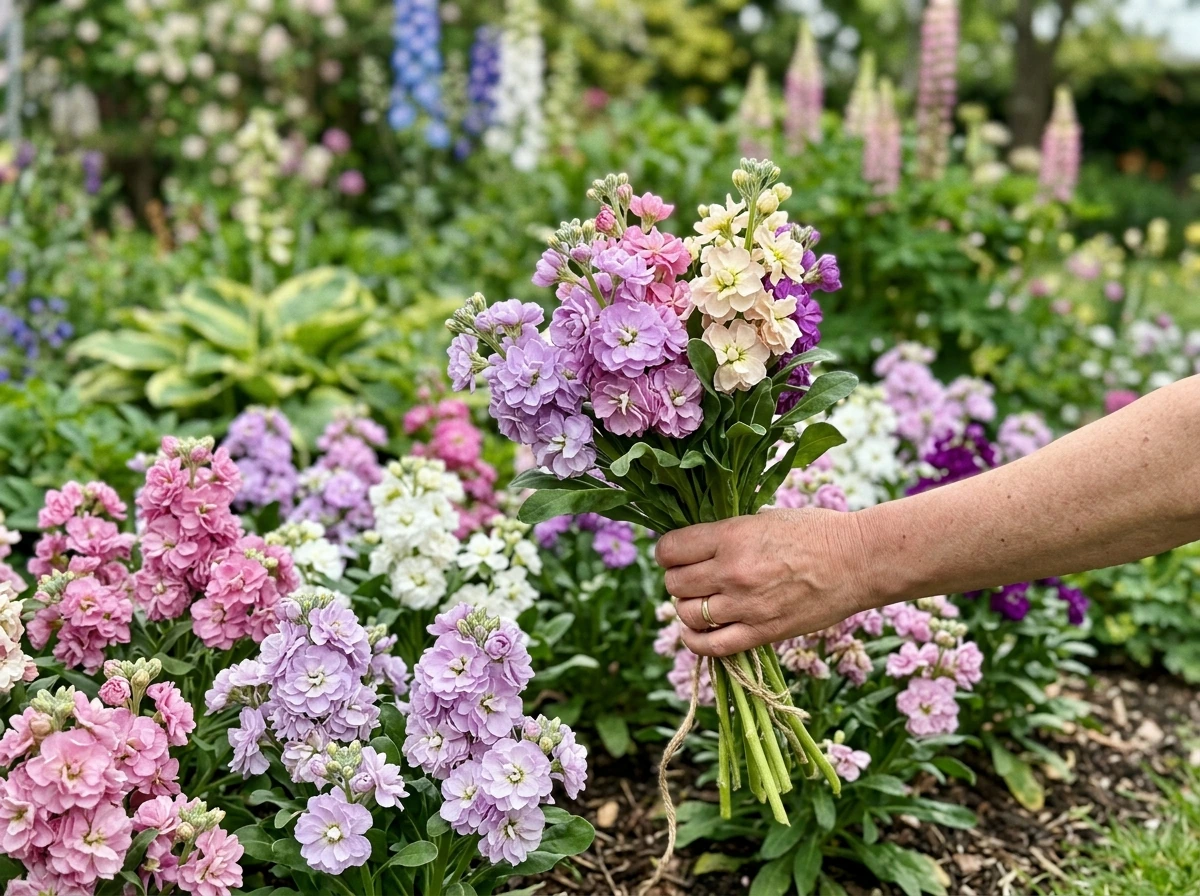
When gardeners search for 'stock flower,' they're almost always talking about Matthiola incana, the common stock or hoary stock. It's a cool-season annual (or biennial in mild climates) with dense spikes of fragrant, four-petaled flowers in shades of white, cream, lavender, pink, rose, burgundy, and deep purple. The flowers grow on upright stems that can reach anywhere from 12 inches to 3 feet tall depending on the series, making some varieties ideal for beds and borders while others are bred specifically as cut flowers.
There's also Matthiola longipetala, sometimes called evening-scented stock or night-scented stock. It's a different beast entirely: smaller, less showy, and the flowers are often closed during the day but release an intense fragrance at night. If you want a cutting garden powerhouse or a garden showpiece, stick with Matthiola incana. Night-scented stock is great to scatter near a patio, but it's not what most people picture when they search for how to grow stock flowers.
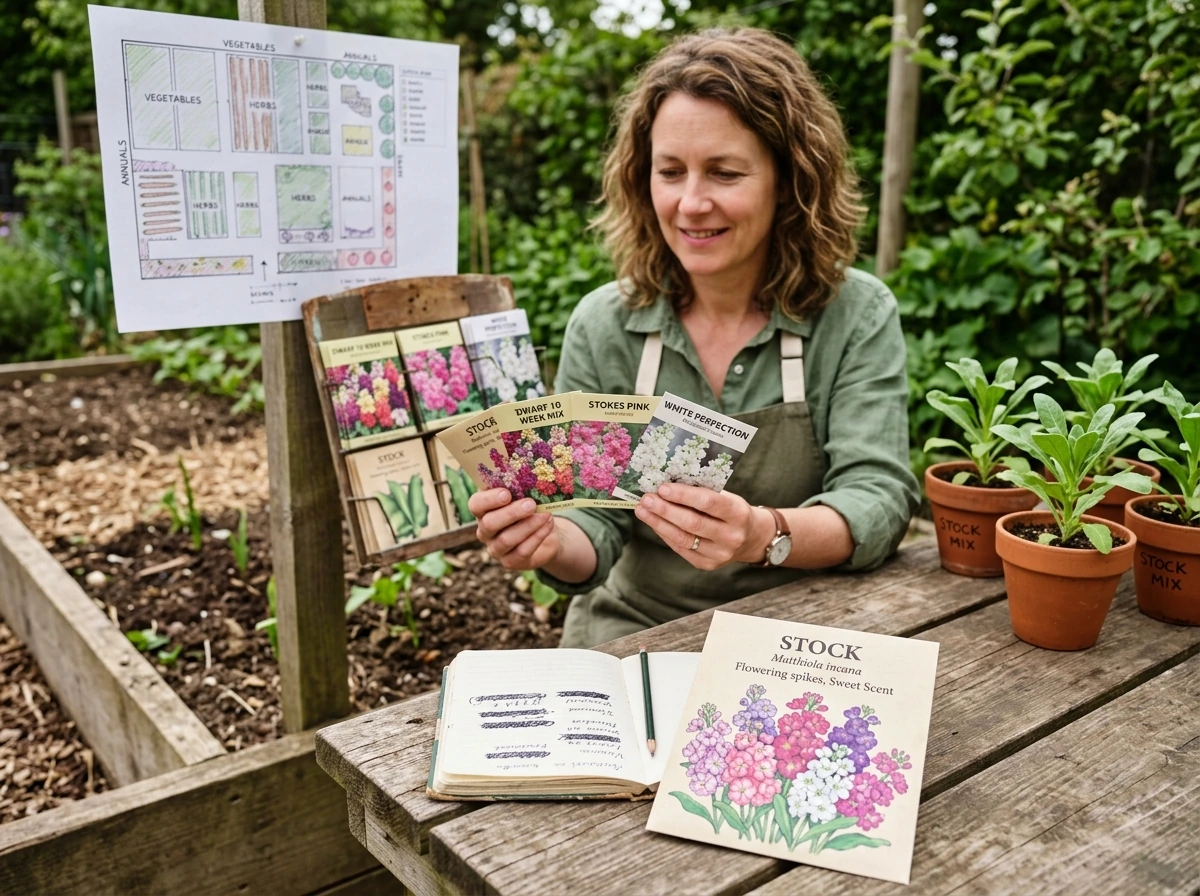
For cutting gardens and general garden use, a few series stand out. The Katz series is a top choice for cut flower growers, bred for long straight stems and strong fragrance. The Legacy series is another excellent performer for florists. For home garden beds, the Cinderella series stays more compact (around 12 to 15 inches) and handles containers well. The Giant Imperial and Column series both produce the tall, branching stems you want if you're growing for bouquets. When you're buying seeds, check the packet for 'double-flowered' or 'double selection' strains. These produce fully double, densely packed flower spikes that are far more showy than single-flowered types, and most modern varieties include a technique for selecting out double seedlings early (more on that later).
Getting your timing right
Timing is everything with stock Stock performs best in cool temperatures, especially in the weeks leading up to bloom. It actually needs a period of cool conditions, around 50 to 55°F (10 to 13°C), to trigger earlier and more reliable flowering. Plant it too late into warming spring temperatures and you'll get leggy plants that flower weakly, or bolt straight to seed before producing much of anything.
The general rule: you want your stock plants in the ground while nighttime temperatures are still consistently cool, and you want them blooming before summer heat sets in. In colder climates (USDA zones 5 and 6), that means starting seeds indoors in late February or early March and transplanting in mid to late April, once the risk of hard frost has passed. In zones 7 and 8, you can often direct sow in early spring or even start in late winter for a late-spring bloom. In zones 9 and 10, stock is best grown as a fall or winter flower, started in September or October for blooms from late winter into spring.
If you're in a cool-summer climate (think Pacific Northwest or coastal areas), you have the most flexibility. Stock can bloom from spring all the way into summer. In hot, humid climates, focus everything on getting stock in and out before the heat arrives, because once temperatures regularly push above 80°F, stock struggles badly.
Starting stock from seed
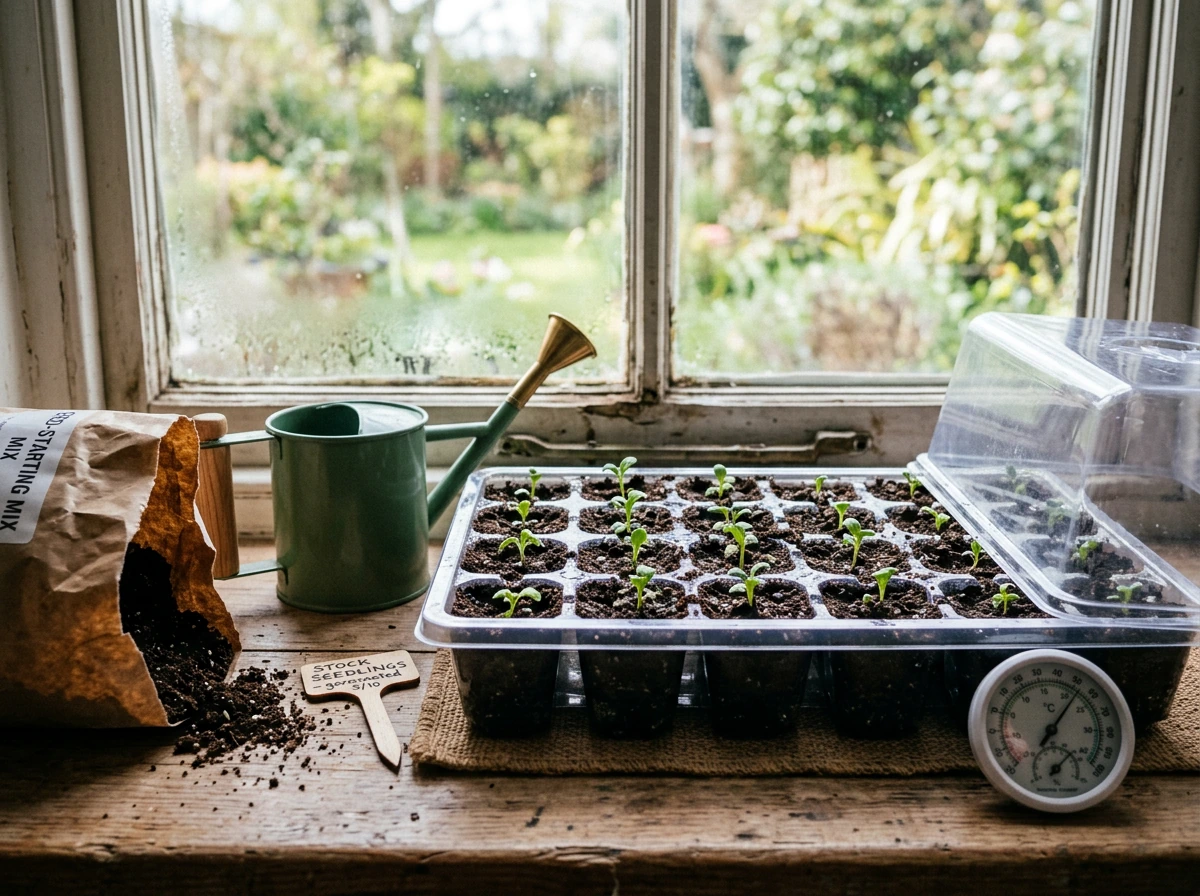
Stock is best started indoors so you can control germination conditions and get a head start on the season. Sow seeds about 5 to 6 weeks before your planned transplant date. That gives seedlings enough time to develop without becoming rootbound or overgrown before they go outside.
Soil and containers
Use a sterile, fine-textured seed-starting mix, not regular potting soil or garden soil. Stock seeds are small and the seedlings are delicate at first, so they need good drainage without large chunks or clods. A 128-cell plug flat is ideal if you're starting a decent number of plants. It gives each seedling its own space, makes thinning easier, and results in less root disturbance at transplant time. If you're just starting a small batch, a standard seed tray divided into cells or small individual pots works fine.
Sowing depth and germination
Sow stock seeds at a depth of about 1/4 inch (6 mm). They don't need light to germinate, so a light covering of seed-starting mix is fine. Keep the medium moist but not waterlogged. Germination happens in 7 to 14 days when soil temperature is held in the 65 to 75°F (18 to 24°C) range. A seedling heat mat is helpful here, especially if your home runs cool in late winter. Once you see sprouts, move the tray to bright light immediately or the seedlings will stretch toward any available light source and get leggy fast.
Selecting for double flowers (a useful trick)
Most modern double-flowering stock varieties include a handy selection method. After germination, move the seedling tray to a cooler location, around 50°F (10°C), for a day or two. Under these conditions, seedlings destined to be double-flowered will show slightly paler, yellower cotyledons compared to the darker green single-flowered seedlings. This isn't perfect, but it lets you selectively keep the double-flowered plants and discard singles early, which maximizes your cutting garden yield. Seed packet instructions usually walk you through this if the variety supports it.
Transplanting and spacing
Seedlings are ready to transplant somewhere between 30 and 50 days after sowing. By that point they should have a few sets of true leaves and a decent root system. Harden them off first: set the tray outside in a sheltered, partly shaded spot for a few hours a day over the course of a week, gradually increasing their outdoor exposure. This step matters, especially if you're moving seedlings from a warm indoor space into still-chilly spring weather.
Transplant on a cloudy day or in the late afternoon to reduce transplant shock. Stock doesn't love having its roots disturbed, which is another reason plug flats or individual cells are better than open seed trays. Gently pop each plug out and set it into a prepared hole at the same depth it was growing. Space plants 9 to 12 inches apart for most standard varieties. If you're growing tall cut-flower types, 12 inches gives them room to develop without competing too aggressively for airflow, which also helps prevent disease problems.
Choose a spot with full sun, especially in cooler climates. In areas with hot springs, light afternoon shade can actually extend your bloom season by keeping soil temperature a bit cooler. Work compost into the bed before planting and make sure drainage is good. Stock dislikes sitting in wet soil.
Caring for stock after planting
Sun and light
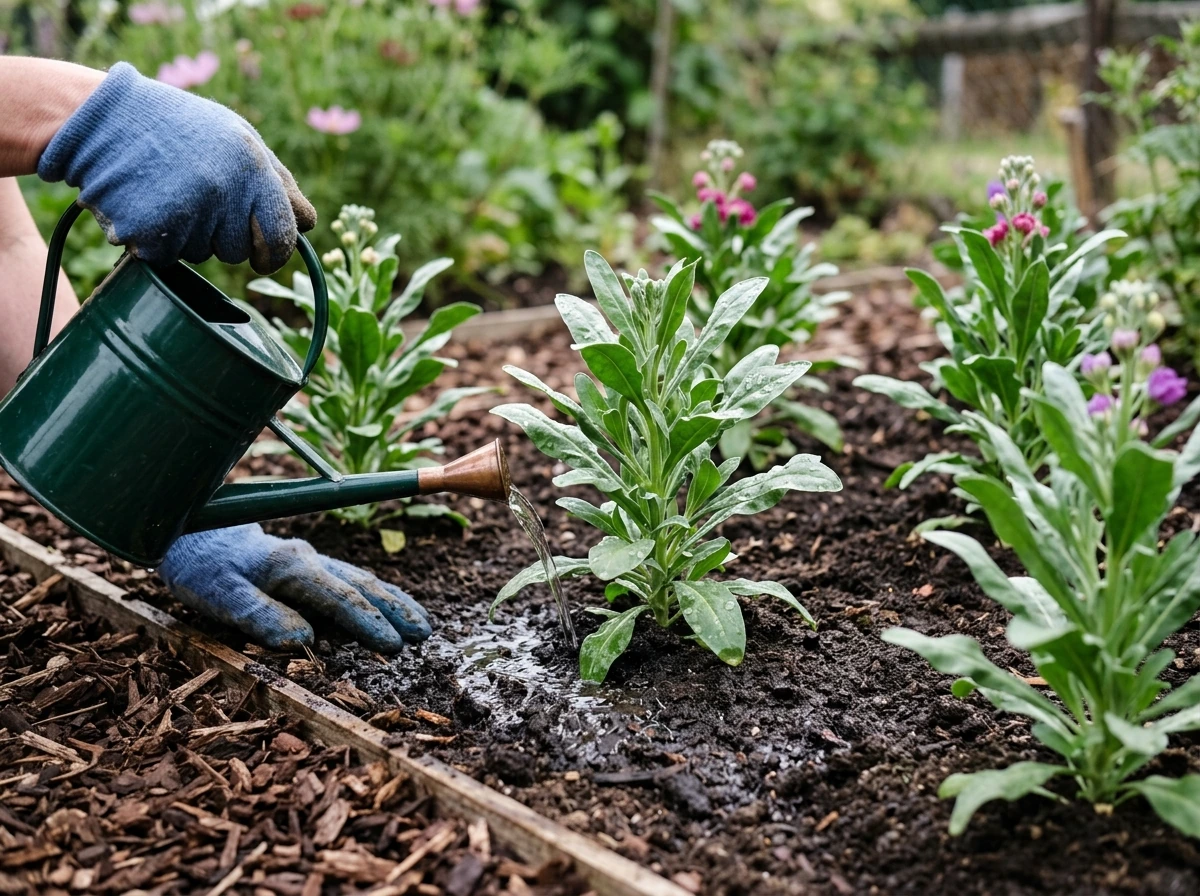
Stock wants full sun, at least 6 hours a day. In shadier conditions it gets stretchy and produces fewer blooms. If you're in a hot climate, the exception applies: some afternoon shade around 2 to 5 PM can buy you extra time before heat stress kicks in.
Watering
Water consistently, aiming to keep the soil evenly moist but never soggy. Stock is moderately drought-tolerant once established, but irregular watering during the bloom period causes flower quality to drop. A good rule of thumb: water deeply once or twice a week rather than shallow daily watering. Let the top inch of soil dry slightly between waterings. Keep water off the foliage when you can, especially in the evening, because wet leaves overnight invites fungal problems.
Feeding
If you amended your bed with compost before planting, you may not need much additional fertilizer. Stock isn't a heavy feeder. A balanced, slow-release granular fertilizer worked into the soil at planting time is usually sufficient. If your plants look pale or growth seems sluggish a few weeks in, a liquid balanced fertilizer (something like 10-10-10) applied every two to three weeks can help. Avoid overdoing nitrogen once buds start to form, as too much nitrogen pushes lush foliage at the expense of flowers.
Deadheading and extending bloom
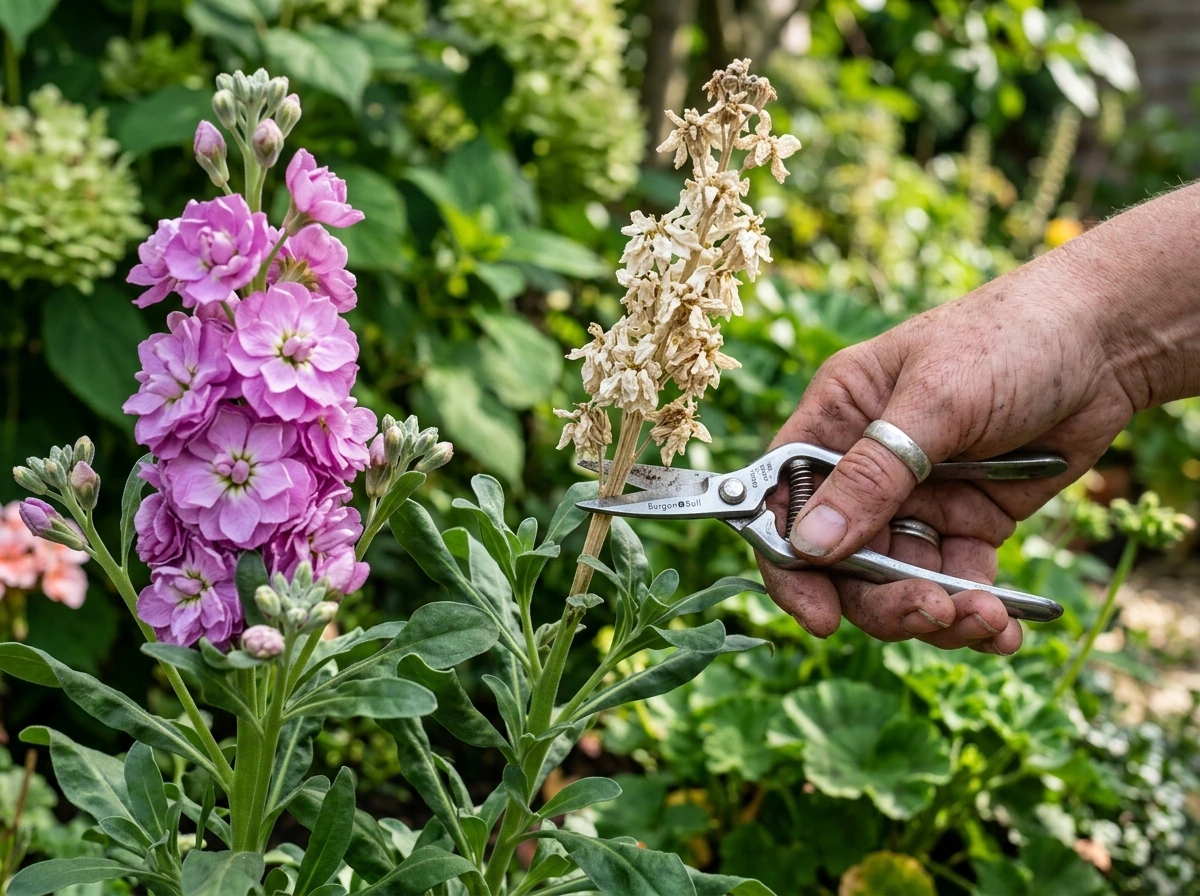
Deadheading spent flower spikes encourages the plant to produce side branches and more blooms rather than putting energy into seed production. Once the main spike finishes, cut it back to a healthy set of leaves and lateral branches will often push out new flowering stems. That said, stock is not a prolific rebloomer like a zinnia, so managing temperature and soil conditions matters more than deadheading alone for a long flowering display.
Troubleshooting common stock problems
Leggy seedlings
Leggy, stretched seedlings almost always come down to one thing: not enough light. If your seedlings are tall and spindly before they even get into the ground, they were reaching for light during their indoor phase. Next time, use a grow light kept 2 to 3 inches above the seedlings and run it for 14 to 16 hours a day. For plants already in the ground that are leaning or tall, staking with bamboo and garden twine helps, especially for cut-flower varieties. Planting in full sun and hardening off properly also results in stockier plants overall.
Poor or slow blooming
If your plants look healthy but won't flower, timing and temperature are the most likely culprits. Stock that doesn't get cool temperatures in the weeks approaching bloom may delay or fail to flower well. If the weather warmed up suddenly after transplanting, there's not much to do but wait and hope for a cool spell. Going forward, plant earlier so blooming happens during cooler weather. Also check that your plants are in full sun, getting enough water, and aren't being overfed with nitrogen.
Flea beetles
Stock is susceptible to flea beetles, tiny jumping insects that chew small round holes in the leaves. Damage is usually cosmetic on established plants, but heavy infestations on young seedlings can set growth back significantly. Row cover over young transplants is the most reliable preventive measure. For active infestations, spinosad-based sprays or diatomaceous earth around the base of plants can help. Getting plants established quickly through proper timing and care naturally reduces their vulnerability.
Fungal problems: damping off and downy mildew
Damping off is a fungal problem that collapses seedlings at the soil line, usually caused by overwatering and poor airflow. Always use sterile seed-starting mix, don't overwater, and run a small fan near your seedlings to keep air moving. Once damping off hits a tray, affected seedlings can't be saved, but improving conditions prevents it spreading to the rest. Downy mildew shows up as yellowing leaves with a grayish mold on the undersides, typically during cool, damp weather. Space plants well for airflow, water at the base rather than overhead, and remove affected foliage promptly. Fungicide sprays labeled for downy mildew can be used if the problem is severe.
Growing stock for cut flowers
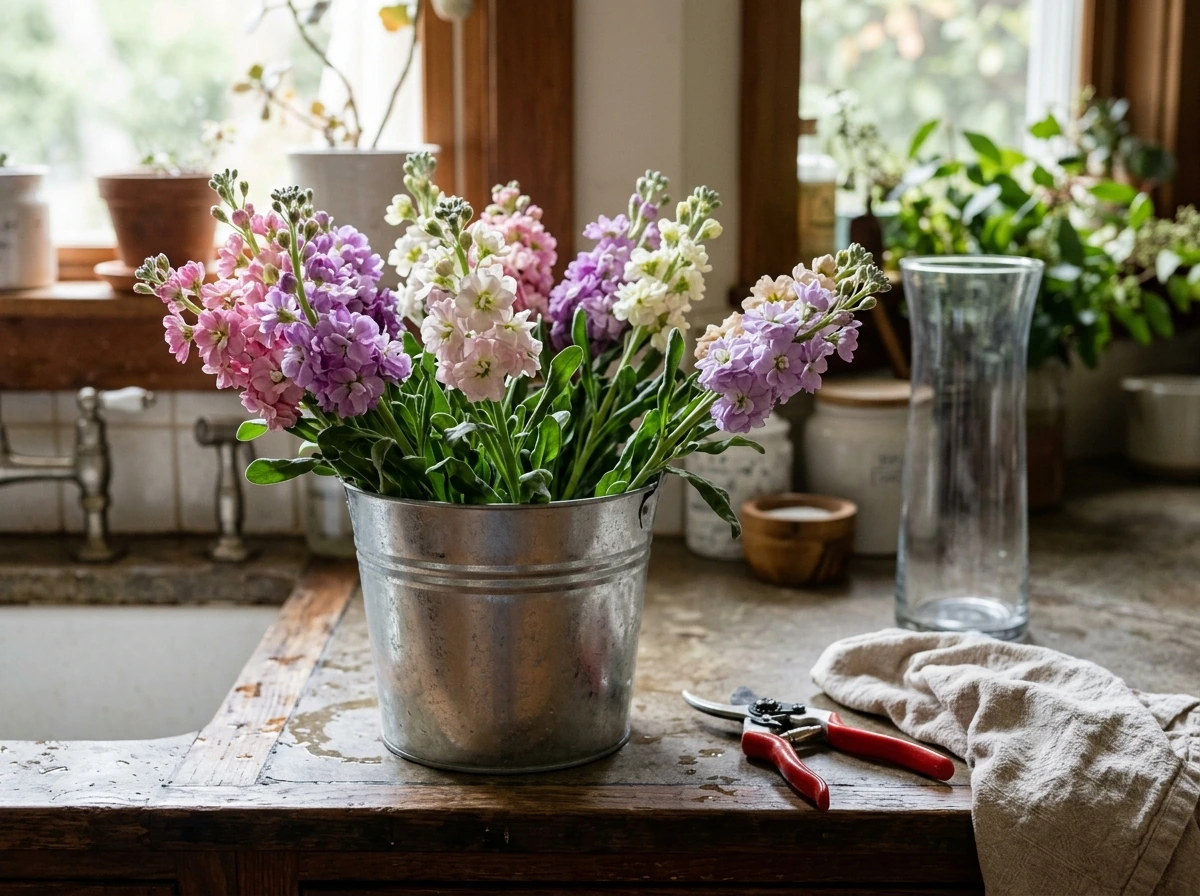
This is where stock really earns its place in the garden. The fragrance alone makes a bunch of stock flowers the kind of cut flower that makes people stop and ask what's in the vase. If you're growing with cutting in mind, prioritize tall, single-stem varieties like the Katz or Column series and give them full sun in a dedicated cutting bed where you can harvest freely without worrying about the look of the garden.
When and how to harvest
The key to long vase life is harvesting at the right stage. Cut stock stems when one-third to one-half of the florets on the spike are open. The remaining buds will continue to open in the vase. If you wait until the stem is fully open, it won't last as long. Harvest in the early morning when stems are fully hydrated and temperatures are cool. Use clean, sharp scissors or pruners and cut the stem at an angle to maximize water uptake.
Conditioning and vase life
Immediately after cutting, plunge stems into a bucket of cool water and let them condition in a cool, shaded spot for a few hours before arranging. Strip any foliage that would sit below the waterline in the vase, as submerged leaves rot quickly and cloud the water. Change the vase water every day or two and recut the stems at an angle each time. Stock vase life is typically 7 to 10 days under good conditions. Keeping the arrangement in a cool room, away from direct sun, heating vents, and ripening fruit (which releases ethylene gas that accelerates petal drop) will extend that considerably. A commercial floral preservative in the water also helps.
Succession planting for a longer harvest
If you want to keep cutting stock over a longer window rather than having one big flush of blooms, sow seeds in two or three rounds spaced two to three weeks apart. The early batch goes in the ground first, followed by the later batches as the season progresses. Just keep in mind that all successions need to bloom before summer heat arrives, so start earlier rather than later and work backward from your average last hard-frost date to plan your sowing schedule.
A quick grower's timeline
| Stage | Timing | Key notes |
|---|---|---|
| Sow seeds indoors | 5–6 weeks before transplant date | 65–75°F, 1/4" deep, 7–14 days to germinate |
| Select double seedlings | 1–2 weeks after germination | Cool to 50°F briefly; keep paler-cotyledon seedlings |
| Harden off seedlings | 1 week before transplant | Gradual outdoor exposure, sheltered spot |
| Transplant outdoors | After last hard frost, while nights are still cool | 9–12" spacing, full sun, amended soil |
| Seedlings to transplant stage | 30–50 days from sowing | Look for several true leaves and established roots |
| Bloom | Approx. 10–14 weeks from sowing | Depends on variety and temperature |
| Harvest for cutting | When 1/3 to 1/2 of florets are open | Early morning, sharp clean scissors, angle cut |
Stock flowers reward gardeners who pay attention to timing and temperature. Nail those two things and everything else, the watering, the feeding, the pest management, falls into place more easily. Start your seeds in the next week or two if you're in a zone 5 or 6 climate, pick a fragrant double-flowered variety bred for cutting, and give it the coolest, sunniest spot you have. You'll have stems worth bragging about by late spring. how to grow a flower garden. steps to grow a flower
FAQ
Can I grow stock flowers from purchased bouquets or saved seeds instead of buying seed packets?
You can save seed from stock, but many modern double-flowered types are selected for traits that may not breed true, especially if other Matthiola plants are nearby. Bouquet seeds are also often unreliable because the cutting may have been harvested after peak seed set. If you want dependable doubles and uniform spikes, use seed packets that specify double-flowered or double selection.
What’s the best way to handle stock if I miss the ideal cool-weather window?
If temperatures have already warmed, you’ll likely get less bloom or a leggy, seed-focused plant. The practical fix for the current year is limited, so focus on preventing further stress: keep plants in the coolest available spot (morning sun, with afternoon shade if your area gets hot), avoid extra nitrogen, and maintain consistent moisture. For future seasons, work backward from your last hard-frost date so blooming lands before sustained heat.
Do stock flowers need fertilizer once buds start forming?
Light feeding is usually enough. Once you see buds, avoid boosting nitrogen because it increases leafy growth at the expense of flower spikes. If plants look pale, switch to a mild balanced feed, or use slow-release fertilizer at planting and then stop, rather than continuing heavy liquid feeding through bloom.
How do I prevent stock from getting leggy in containers?
Container-grown stock often stretches from either low light or overheating of the pot. Use full sun, water deeply but avoid soggy compost, and keep the container cool (light-colored pots and mulch on top help). If seedlings stretch indoors, fix it immediately with a grow light positioned close and consistent, then harden off before moving outside.
Why are my stock plants producing flowers but the blooms look small or weak?
The most common causes are heat timing and inconsistent watering during bud formation. Stock needs cool conditions in the lead-up to bloom, and irregular moisture can reduce flower quality. Also check spacing and airflow, because crowded plants can develop weaker stems and smaller spikes even if they do bloom.
Should I deadhead stock throughout the season, and will it rebloom heavily?
Deadheading helps by encouraging side branches after the main spike finishes, but stock is not a continuous rebloomer like some annuals. Plan for a main bloom flush, followed by additional stems rather than nonstop flowering. The most effective “re-bloom strategy” is actually succession planting in two or three rounds, timed to finish before summer heat.
What’s the safest way to water stock so I don’t trigger fungal problems?
Water at the base rather than overhead, aim for morning watering, and let the top inch of soil dry slightly between waterings. Avoid watering late in the day because wet foliage overnight increases downy mildew risk. If your plants are in tight spacing, water carefully to keep leaves as dry as possible.
How can I tell if my seedlings are failing because of damping-off versus just slow germination?
Damping-off typically collapses seedlings at the soil line and spreads quickly through the tray. Slow germination usually shows as delayed emergence without widespread collapse. To troubleshoot, verify seed-starting mix is sterile, don’t keep it waterlogged, and maintain germination temperatures in the recommended 65 to 75°F range. If collapse is starting, remove affected seedlings and improve airflow immediately.
My stock blooms, but the scent is weak. What should I check first?
Fragrance is strongly tied to variety and growing conditions. Make sure you’re growing Matthiola incana (not night-scented stock), and prioritize cool, stable temperatures during the weeks leading to bloom. Also avoid over-fertilizing with nitrogen, which can produce more foliage and sometimes less aromatic performance. For cut flower quality, harvest early morning when stems are fully hydrated.
How do I harvest stock for the longest vase life without ruining the plant?
Cut when one-third to one-half of florets on the spike are open, then condition in cool water in a shaded area for a few hours before arranging. Strip leaves that would sit below the waterline to prevent rot. If you want ongoing blooms in the garden, avoid removing too many stems at once, and after a main spike finishes, leave the plant intact so side branches can develop.
Do stock flowers come back year after year in mild climates?
Stock can behave as a biennial in mild areas, meaning it may survive and bloom in a second year rather than acting like a strict annual. Whether it “comes back” depends on winter severity and how well it establishes before cold weather. If you’re in a mild zone, prepare for the possibility that plants may persist, but still re-sow if you want consistent doubles.
Next Articles
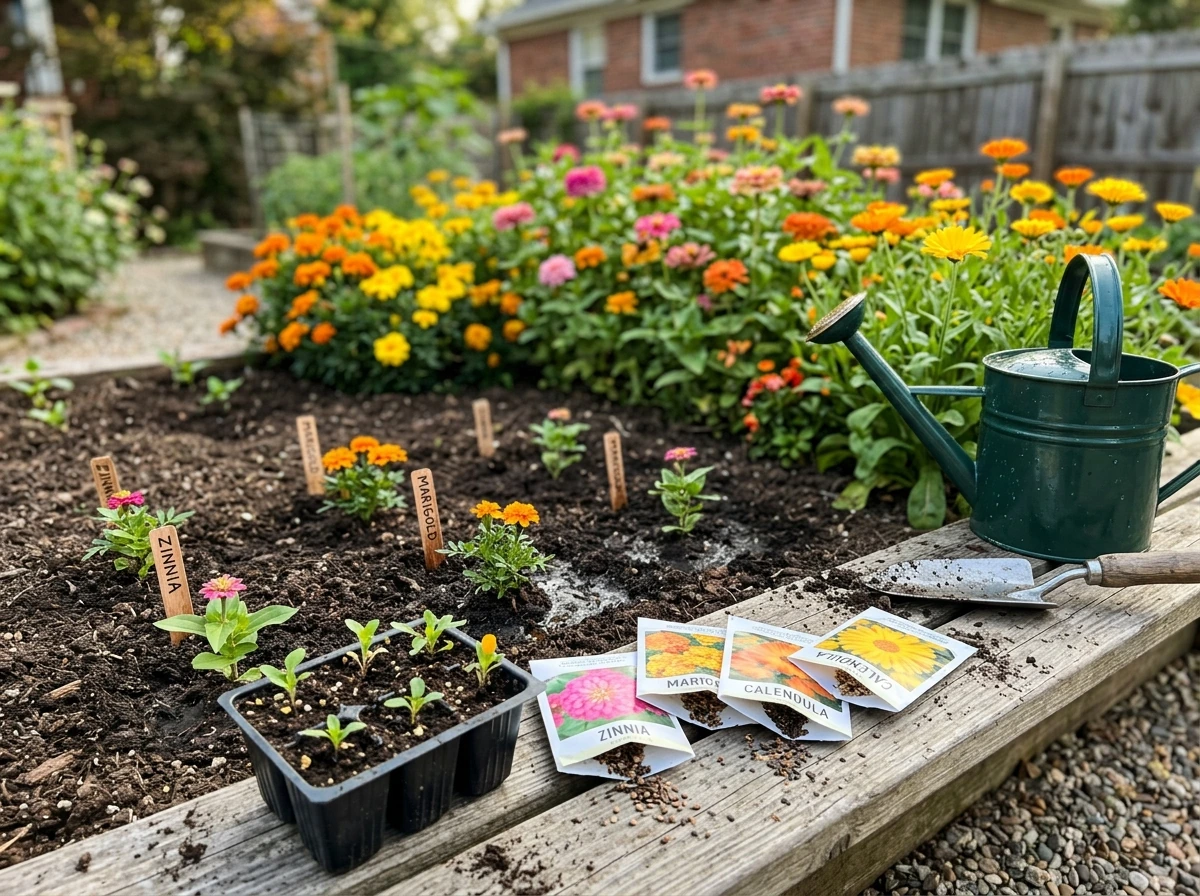
How to Grow a Flower Garden: Step-by-Step From Seed to Bloom
Step-by-step guide to grow a flower garden from seed to bloom, with planting, care, timing, and troubleshooting.
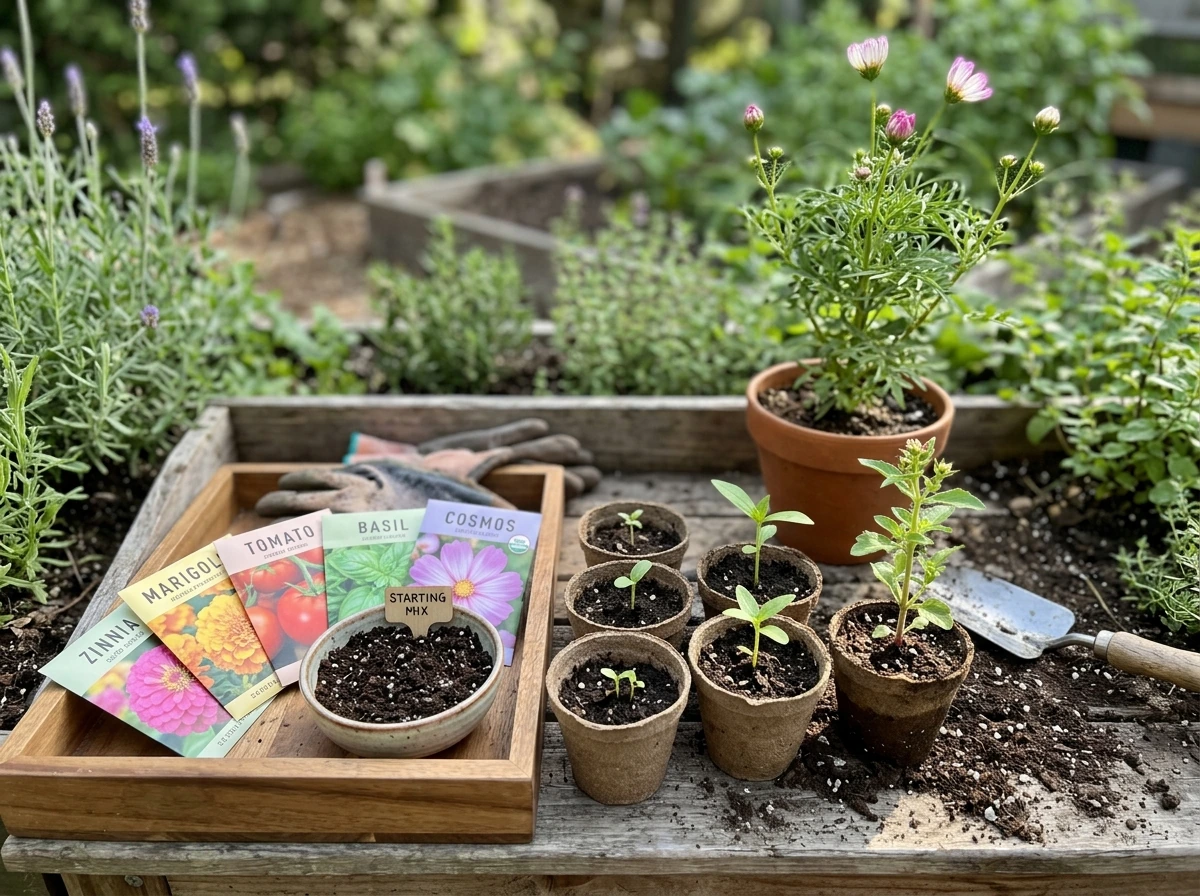
How to Grow Flower: Seed to Bloom and THCA Flower Basics
Step-by-step how to grow flowers from seed to bloom plus separate THCA flower cultivation basics, setup, stages, and tro
How to Grow Duck Flower: Step-by-Step Care and Blooms
Step-by-step guide to grow duck flower from seed to blooms, with care tips, troubleshooting, and seasonal timing.