Cornflowers are one of the easiest flowers you can [grow from seed](/grow-flowers-from-seed/how-to-grow-duck-flower), and if you follow a few simple rules, you'll have blooms from June through October without much fuss. The short version: sow directly into the ground in early spring (or autumn in mild climates), barely cover the seeds, keep the soil moist until they sprout, thin to 8–12 inches apart, and expect flowers in about 77 to 91 days. That's genuinely all there is to it. But if you want to know the why behind each step, troubleshoot a germination problem, or plan a cutting garden succession, keep reading because there's a lot of useful detail packed in here.
Cornflower Seeds How to Grow: Step-by-Step Guide

James Holloway
24 Mar 2026
Choosing the right cornflower variety and seed quality
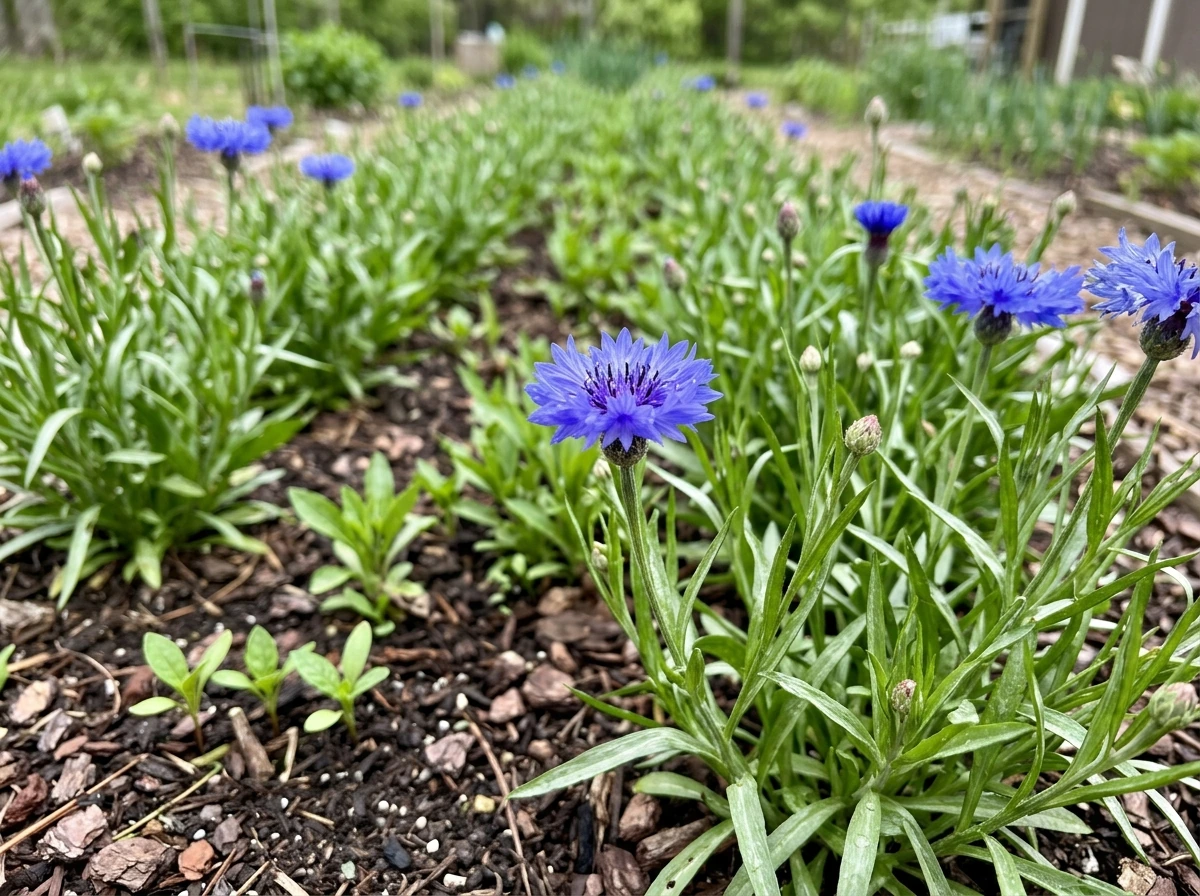
Centaurea cyanus comes in more variety than most people realize. The classic is the vivid blue 'Tall Blue' bachelor button, which grows to around 30 inches and is what most people picture when they think cornflower. But there are compact dwarf types that top out around 12 inches, useful if you're working in containers or a small border. Then there are blends like 'Classic Magic' and 'Tall Blend,' which mix white, pink, burgundy, and lavender with the classic blue. If you're growing for cutting, taller single-stem varieties give you longer stems to work with. If you just want a cheerful mass of color in a bed or wildflower patch, a blend is satisfying and low-maintenance.
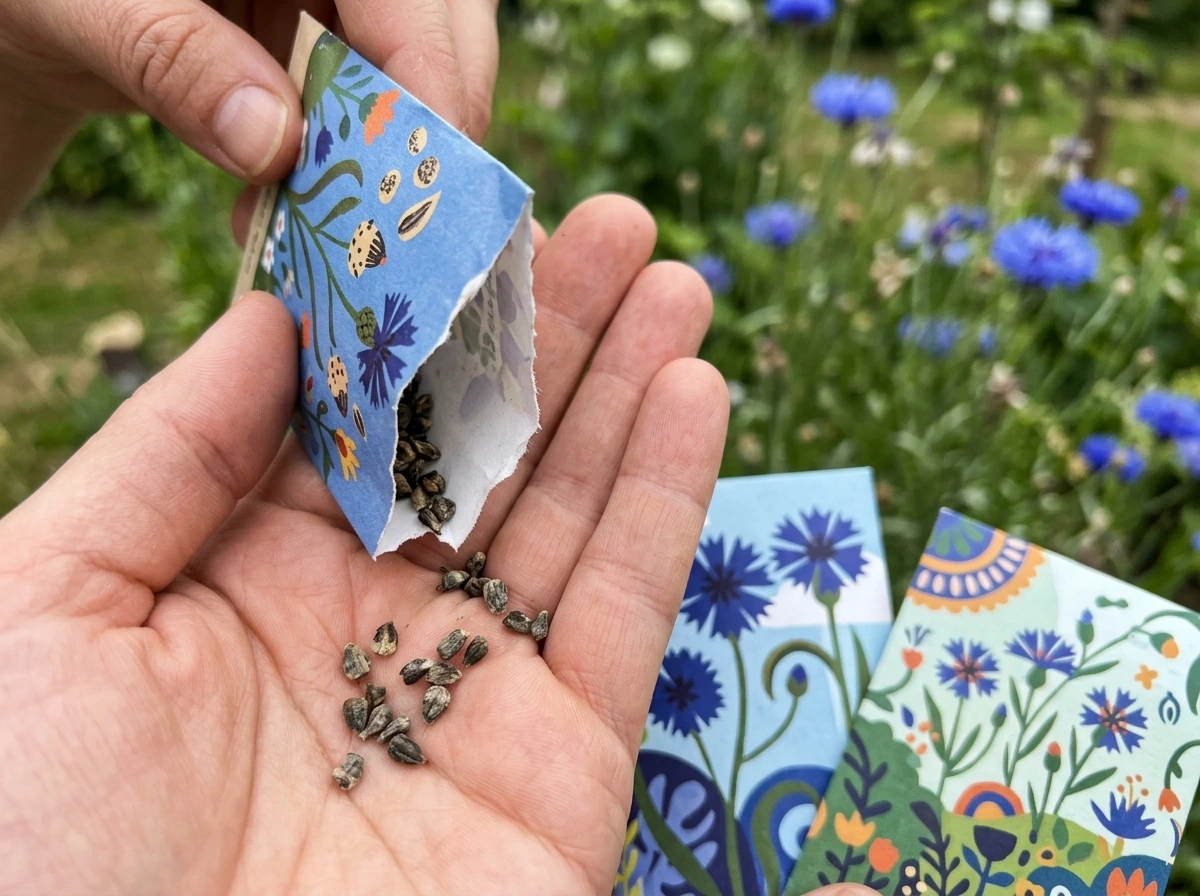
Seed quality matters more than people give it credit for. Fresh seed from the current season or last season germinates reliably. Older seed stored in a warm drawer or garage can lose viability fast. If you're using seed you saved or bought a couple of seasons ago, do a quick germination test first: dampen a paper towel, place 10 seeds on it, fold it over, and keep it somewhere warm. Check it after 7 to 10 days and count how many have sprouted. If fewer than 7 out of 10 germinate, either sow more densely than usual or invest in fresh seed. It's a five-minute test that saves a lot of disappointment.
When buying seed, look for named varieties from reputable seed companies rather than unlabeled wildflower mixes where cornflower is just one of many species. Named varieties give you predictable height, color, and bloom time, which helps a lot when you're planning a cutting garden or a specific color scheme.
When to plant cornflower seeds (indoors vs direct sowing)
Here's the honest truth: cornflowers strongly prefer direct sowing. They have a taproot that doesn't love being disturbed, and plants started outdoors in the ground almost always outperform transplants in the long run. That said, starting indoors is a perfectly viable option if you're trying to get a jump on the season or if your spring comes late.
Direct sowing outdoors
Cornflowers are cool-season annuals that thrive when sown early. In most of the US, that means sowing as soon as the soil can be worked in late winter or early spring, typically 4 to 6 weeks before your last expected frost date. The seeds can handle light frost once they've sprouted, and the cool soil actually suits germination well since the base germination temperature for Centaurea cyanus sits around 1.5°C (just above freezing). Soil temperatures of at least 55°F are ideal for reliable sprouting, and optimal germination happens around 60 to 65°F.
In mild-winter climates (Zone 7 and warmer), you can also sow in autumn. Fall-sown cornflowers overwinter as small rosettes and bloom weeks earlier in spring than any spring-sown batch. If you've never tried autumn sowing, it's worth experimenting with half your seed supply. The results can be spectacular.
Starting indoors
If you do start indoors, sow 3 to 4 weeks before your planned outdoor transplant date, not much earlier. Cornflowers grow quickly and get leggy and unhappy if they sit in trays too long. Use individual cell trays or small biodegradable pots so you can minimize root disturbance at transplant time. This is one situation where I'd actually recommend biodegradable pots you can plant the whole thing into the ground, since that taproot really dislikes being teased apart.
Preparing soil, site, and containers for germination
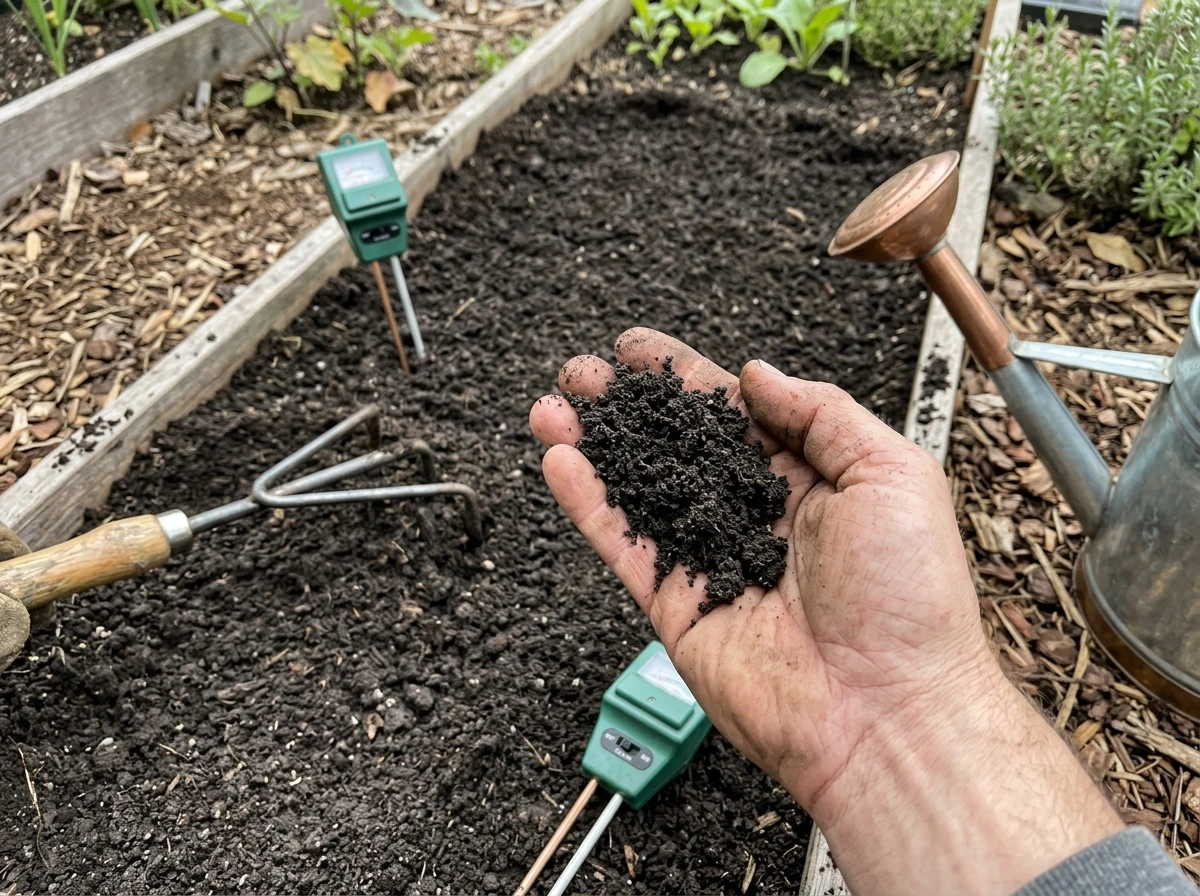
Cornflowers are not fussy about soil fertility, and that's one of the things I genuinely love about them. They actually perform better in average to poor, well-draining soil than in rich, heavily amended garden beds. Overly fertile soil pushes leafy growth at the expense of flowers. Skip the heavy compost amendment if you're planting in decent garden soil.
What they do care about is drainage and pH. They want soil that doesn't stay waterlogged and a pH somewhere in the neutral to slightly alkaline range, roughly 6.6 to 7.5. If your soil is on the acidic side, a light application of garden lime before sowing can help. Avoid heavy clay that compacts and crusts after watering, as that will slow germination and suffocate seedlings.
Site selection is simple: full sun, full sun, full sun. Cornflowers tolerate partial shade but will get leggy and produce fewer flowers. Give them the sunniest spot you have. Clear the bed of weeds before sowing, because once your seedlings emerge, distinguishing them from weed seedlings can be tricky. A clean, raked seedbed makes thinning and maintenance much easier.
For containers and seed trays (if starting indoors), always use fresh, sterile seed-starting mix. This is non-negotiable. Reusing old potting mix or using garden soil in trays introduces damping-off pathogens that can wipe out your entire batch of seedlings in a matter of days. Fresh sterile mix and clean trays are the simplest prevention.
Step-by-step sowing method (depth, spacing, moisture)
Sowing cornflowers isn't complicated, but the details on depth and moisture matter. Here's how to do it well.
- Rake or loosen the top 2 to 3 inches of soil so the surface is fine and crumbly, not clumped.
- Scatter seeds thinly across the area, or sow in rows if you prefer a more structured bed. For a cutting garden, rows 8 to 10 inches apart work well.
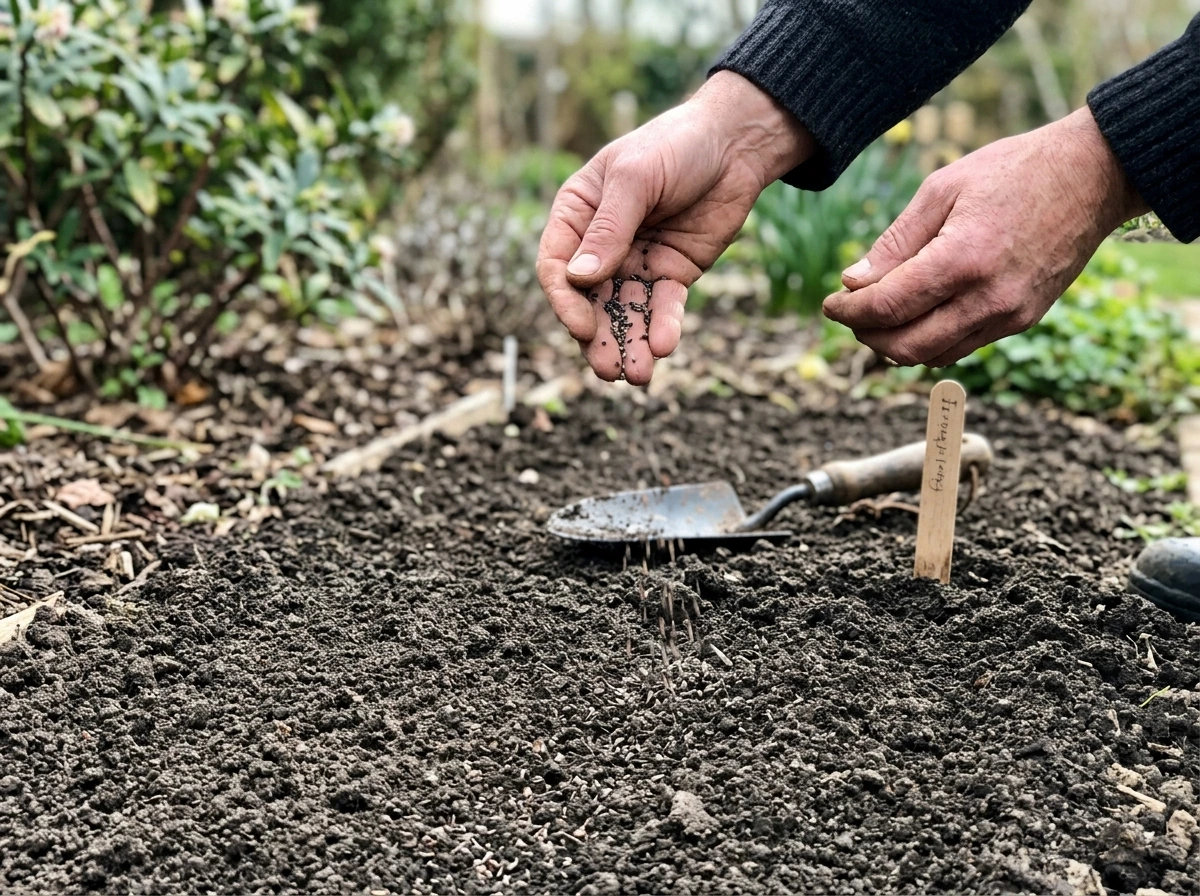
- Cover seeds with about 1/4 inch of fine soil, no more than 1/2 inch. You can also rake lightly after broadcasting to work seeds into the surface. The rule is simple: cover lightly, just enough so seeds aren't sitting fully exposed on the surface.
- Firm the soil gently with the flat of your hand or a trowel. Good seed-to-soil contact helps moisture reach the seed consistently.
- Water gently using a fine mist or a watering can with a rose head. You want the soil evenly moist without displacing seeds or creating puddles.
- Keep the surface consistently moist until germination, which typically takes 7 to 14 days. Don't let it dry out completely between waterings during this window.
- Once seedlings are 2 to 3 inches tall, thin to a final spacing of 8 to 12 inches between plants. Yes, it's hard to pull up tiny plants, but crowded cornflowers get weak and prone to mildew.
One spacing tip worth knowing: if you're sowing in a naturalistic patch rather than rows, you can sow groups of 3 seeds every 8 to 10 inches across the bed, then thin to the strongest seedling in each group after germination. This gives you good coverage without a sowing-to-thinning headache.
Light is worth mentioning here. Research shows that cornflower germination is roughly 50% lower in dark conditions compared to light, so don't bury seeds deep and don't cover trays with opaque lids for extended periods. Outdoors, the shallow 1/4-inch covering lets enough light through to support good germination rates.
Germination timeline and how to troubleshoot common issues
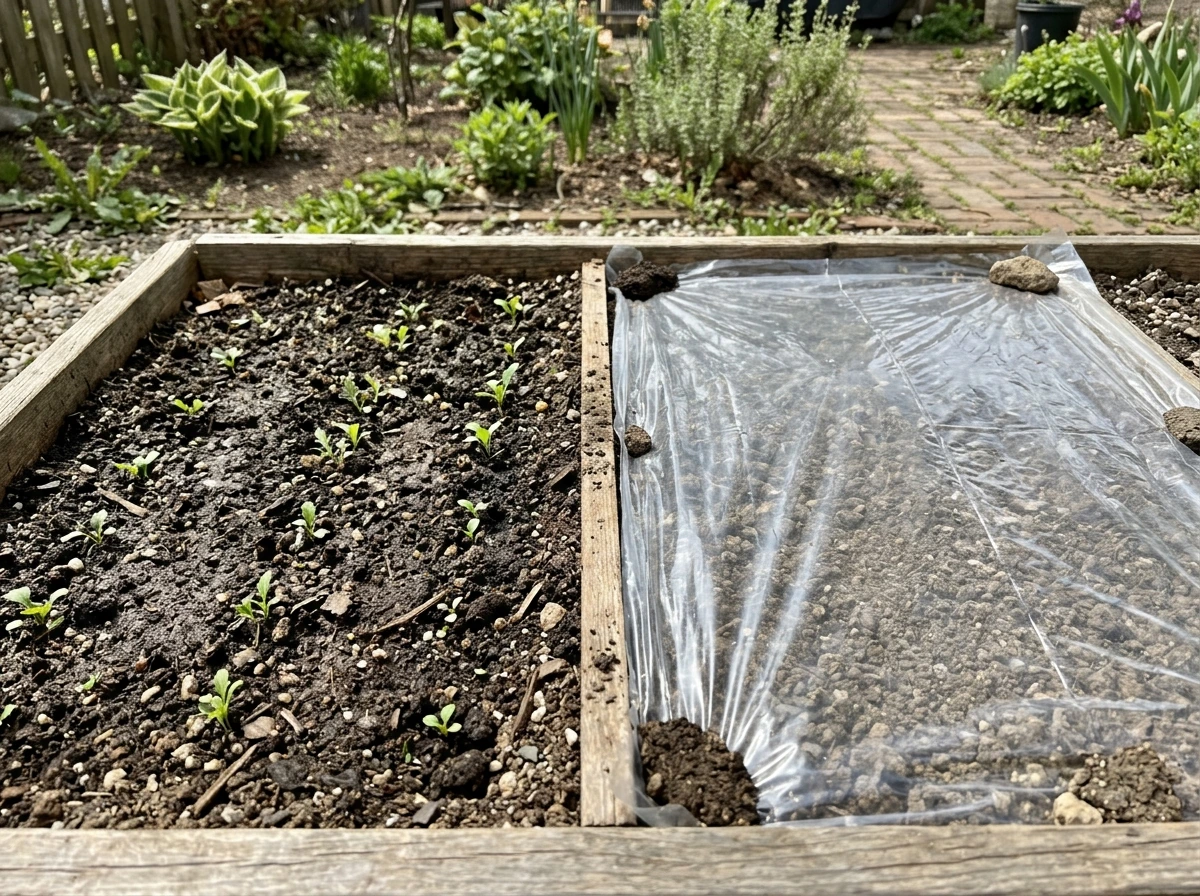
Under decent conditions (soil at 60 to 65°F, consistent moisture, light covering), you should see seedlings poking up within 7 to 14 days. If you're sowing in cold soil in early spring, germination might stretch to the longer end of that range or take a bit longer. That's fine. Be patient and keep the soil moist.
Nothing is sprouting after two weeks
First, check soil temperature. If the soil is still below 50°F, germination slows dramatically. Wait for it to warm up or cover the area with clear plastic sheeting for a week to trap heat. Second, check your seed viability using the paper towel test described earlier. Third, look at the surface: if the soil has crusted and hardened, seedlings can't push through. Break up the crust very gently with a fine rake or your fingers and water again.
Damping off in seed trays
Damping off is the nightmare of indoor seed starting: seedlings emerge, look great for a few days, then suddenly collapse at the soil line and die. It's caused by fungal pathogens and is almost always preventable. Use only sterile seed-starting mix. Water trays from below when possible (pour water into the tray and let the mix absorb it). Don't use water from rain barrels or outdoor sources, as these can carry pathogens. Make sure there's good air circulation around your trays. If damping off appears, remove affected seedlings immediately and don't overwater the remaining ones.
Overwatering and underwatering
During germination, consistently moist is the goal but soggy is the enemy. If the surface looks wet and the soil is cold, you're probably overwatering. Let it approach almost-dry before watering again once seedlings are up. Underwatering is more common in hot, windy spells. If the surface dries out completely between waterings before seedlings have established, germination rates drop sharply and young seedlings can die back. During the first week or two, check soil moisture daily.
Weed pressure
Weed seeds also love the moisture and warmth you're providing, and they often germinate alongside your cornflowers. The easiest solution is to know what cornflower seedlings look like: they emerge with two narrow, grayish-green leaves and have a slightly rough, hairy texture even as young plants. If you sowed in rows, anything not coming up in a row is likely a weed. Remove weeds while they're small before they compete for water and light.
Seedling care: thinning, watering, sun, and light feeding
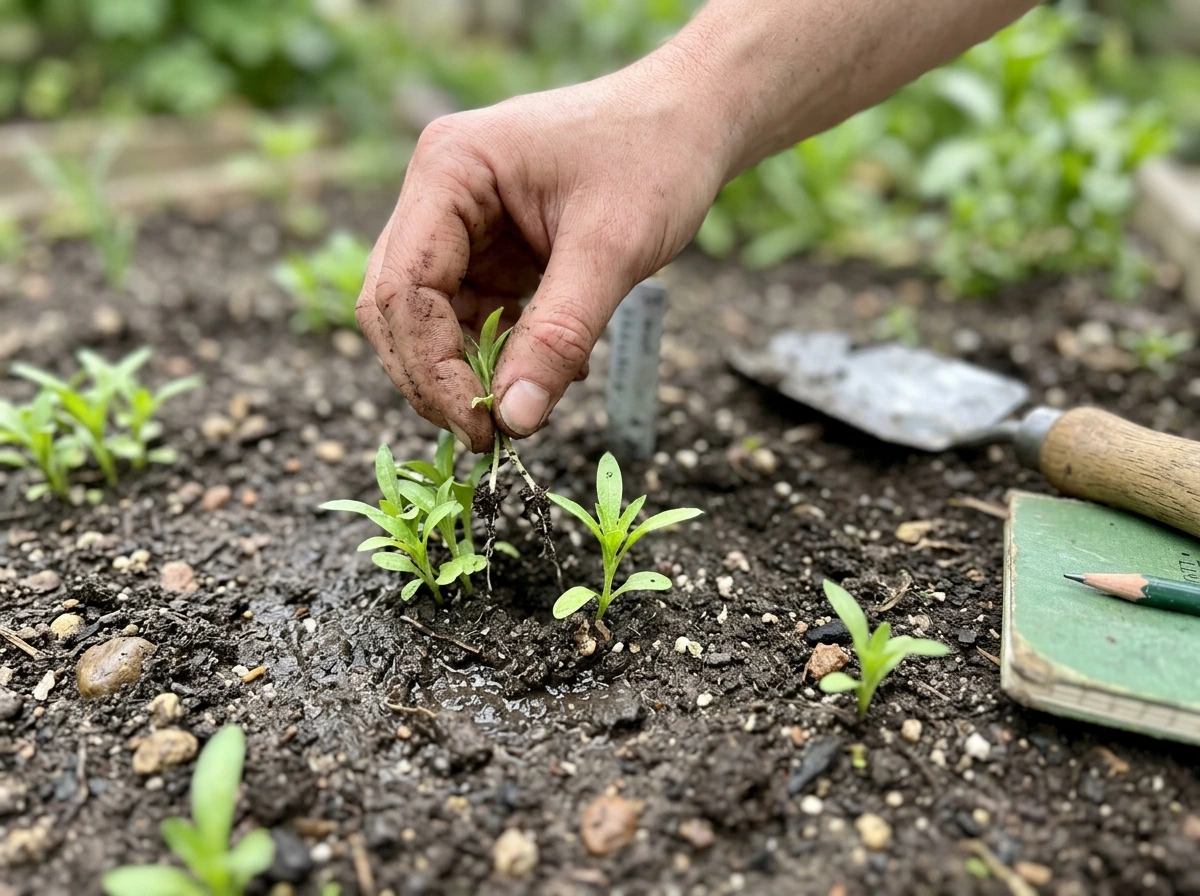
Once seedlings are up and showing their first set of true leaves (the rough, narrow leaves that come after the initial two seed leaves), the main job is thinning and making sure they have enough sun and consistent water.
Thinning
Thinning to 8 to 12 inches apart is genuinely important, not just a suggestion you can skip. Crowded cornflowers compete for light and airflow, which leads to weak stems and powdery mildew later in the season. Thin when plants are 2 to 3 inches tall by snipping at the soil line with scissors rather than pulling, which avoids disturbing neighboring roots. Keep the strongest-looking seedling in each area.
Watering
Once established (roughly 3 to 4 weeks after germination), cornflowers are reasonably drought-tolerant. Water deeply and less frequently rather than giving a little water every day. This encourages roots to go deeper and makes for a sturdier plant. In hot, dry summers, water when the top inch of soil is dry. In cooler, cloudy spring weather, you may barely need to water at all if rainfall is regular.
Sun
Full sun is non-negotiable for the best performance. Six or more hours of direct sun per day gives you compact, upright plants with lots of flower buds. Less than that and they'll stretch toward the light, produce fewer flowers, and be more prone to floppiness and disease. If your only spot is partial shade, cornflowers will survive but won't thrive the way they do in full sun.
Feeding
Here's where a lot of beginners go wrong: cornflowers don't need or want heavy feeding. They're adapted to poor soils, and too much nitrogen produces lush leafy growth at the expense of flowers. If your soil is genuinely depleted, a single light application of a balanced, slow-release fertilizer at planting time is plenty. In average garden soil, skip fertilizing entirely. If you're growing in containers, a half-strength balanced liquid feed once a month is fine, but don't overdo it.
Transplanting vs direct-sown growth and planning for bloom time
If you started seeds indoors, transplant seedlings outdoors once nighttime temperatures are consistently above freezing and plants are 3 to 4 inches tall. Harden them off first: set trays outside in a sheltered spot for a few hours a day, gradually increasing exposure over 5 to 7 days before planting out. Transplant on a cloudy day or in the evening to reduce transplant stress, and water in well.
Be gentle with the roots. If you used biodegradable pots, plant the whole thing. If you used cell trays, ease the plug out without disturbing the root ball and get it in the ground quickly. Cornflowers can sulk for a week or two after transplanting before they resume growing normally. Don't panic if they look a bit sad at first.
Now, the question everyone wants answered: when will they bloom? Expect flowers roughly 77 to 91 days from sowing. A spring-sown batch started in late March or early April in most temperate climates will typically start flowering in June and continue blooming through to October, especially if you deadhead regularly. Autumn-sown plants (in mild climates) will flower weeks earlier in spring.
| Approach | Best for | Time to first bloom | Pros | Watch out for |
|---|---|---|---|---|
| Direct sow outdoors (early spring) | Most gardeners, beginners, cutting gardens | 77–91 days from sowing | Stronger root system, no transplant stress, less work | Weed competition, slow start in cold soil |
| Autumn direct sow (mild climates, Zone 7+) | Gardeners wanting early spring blooms | Blooms several weeks earlier than spring sowing | Earliest flowers, very robust plants | Not suitable for cold-winter climates |
| Indoor seed starting (3–4 weeks before transplant) | Late-spring areas, succession planning | Similar to direct sow but more controlled start | Protected germination, easy monitoring | Transplant stress, taproot sensitivity, damping off risk |
For cutting garden planning, succession sowing every 3 to 4 weeks from early spring through late May will keep flowers coming all summer rather than hitting one big flush and going quiet. Cornflowers also self-seed reliably if you let a few spent flowers go to seed at the end of the season, which means you may get a free batch of seedlings next spring without doing anything at all. That's one of the small wins that makes growing from seed so satisfying.
If you're interested in expanding your seed-starting skills beyond cornflowers, the same principles of soil prep, correct depth, and consistent moisture apply to other annual flowers too. [Wildflower seed mixes], [strawflowers how to grow](/grow-flowers-from-seed/strawflowers-how-to-grow), and other cutting garden favorites all follow similar logic, and the confidence you build getting cornflowers right translates directly to those other projects.
FAQ
What should I do if germination is slow because spring weather is still cold?
Cornflowers can handle light frost after they’ve sprouted, but they struggle if the soil stays too cold for too long. If your soil temperature is below about 50°F, wait, or warm the bed briefly with clear plastic sheeting for a week before sowing. Avoid sowing into frozen or waterlogged ground, because delayed sprouting increases seed and seedling losses.
How deep should cornflower seeds be planted, and what if they never emerge?
Aim for a shallow cover, around 1/4 inch outdoors. If you see seeds sitting on top and not sprouting, it’s usually either the cover is too deep, the soil is crusting over (seedling can’t push through), or the seed is old. Gently rake to break crust and re-water lightly rather than burying deeper.
How can I tell if I’m watering too much or too little during germination?
Keep moisture consistent, moist but not soggy. A quick test is to press the soil surface with a fingertip, if it feels wet enough to smear but doesn’t drip, you’re close. Overwatering during cool weather is a common cause of damping-off indoors.
What’s the best way to manage weeds before I can tell cornflowers from weeds?
If weeds are coming up alongside cornflowers, the safest move is to remove weeds when they are tiny, before they grow tall enough to shade seedlings. For rows, you can pull cautiously because weeds are usually outside the row line. Once you spot true cornflower leaves, thinning weeds later can accidentally disturb seedlings with similar size.
Can I start cornflower seeds indoors, and how do I avoid transplant shock?
Yes, but only if you transplant carefully and give them the right timing. Use biodegradable pots or a method that minimizes root disturbance, then transplant when nighttime temperatures are consistently above freezing and seedlings are about 3 to 4 inches tall. If you start too early indoors, they can become leggy and more likely to sulk after transplanting.
Is thinning really necessary, and when is the right time to thin cornflowers?
Thinning is about airflow and light, not just space. If plants are closer than about 8 inches, you’re more likely to get weak stems and mildew later. Thin when seedlings are about 2 to 3 inches tall by snipping at the soil line, so you don’t yank nearby roots.
How do I encourage longer blooming without spending all my time deadheading?
Deadheading helps keep blooms coming, but you don’t need to deadhead every single flower every day. A practical approach is to remove spent blooms every few days during peak growth. Stop deadheading late in the season if you want self-seeding, because seed production will naturally slow flowering.
Will cornflowers come back on their own, and will the new plants look like the original?
Cornflowers can self-seed reliably, but they’re not always perfectly consistent in color and height from saved seed. To keep a predictable look, deadhead earlier and buy named varieties for replanting. To get a naturalized patch, let a portion go to seed and expect volunteers next spring.
What changes when growing cornflowers in containers instead of in the ground?
For containers, use fresh sterile seed-starting mix for trays, but for ongoing growth in pots use a well-draining potting mix rather than heavy garden soil. Also choose a pot size that can support the taproot and allow thinning space, and place the container in full sun, since shade makes plants stretch and flop.
Why are my cornflowers leafy but not blooming, and how do I fix it?
If you’re getting healthy seedlings but no flowers, the most common cause is too much nitrogen from heavy feeding. Cornflowers perform best in average to poor soil and can sacrifice blooms for leafy growth if fertilized too much. In containers, use only half-strength balanced fertilizer and only if growth looks pale, otherwise skip.
Next Articles
How to Grow Flowers at Home: Step-by-Step Guide
Step-by-step guide to grow flowers at home from seed, plan sun and soil, prevent pests, and get nonstop blooms.
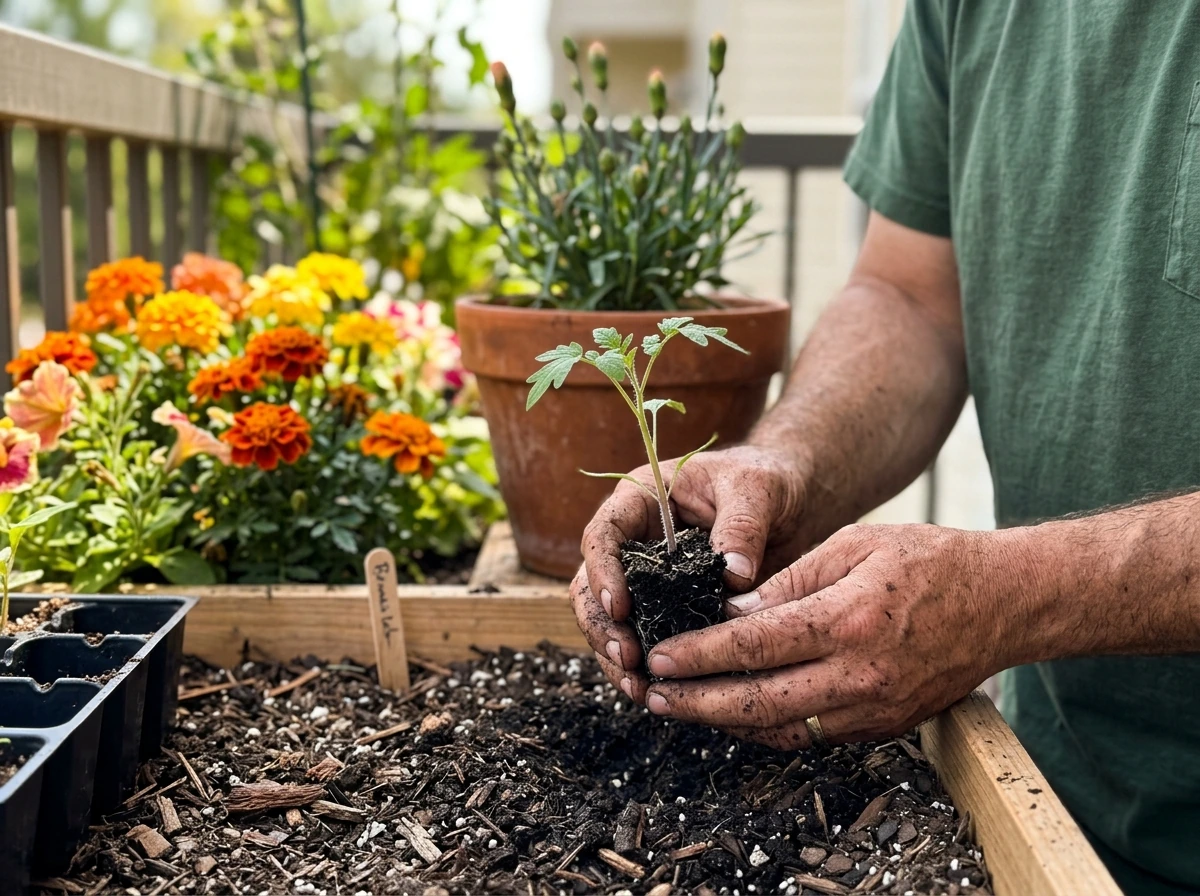
Steps to Grow a Flower From Seed to Bloom
Step-by-step steps to grow flowers from seed to bloom, including soil, germination, transplant, feeding, deadheading, an
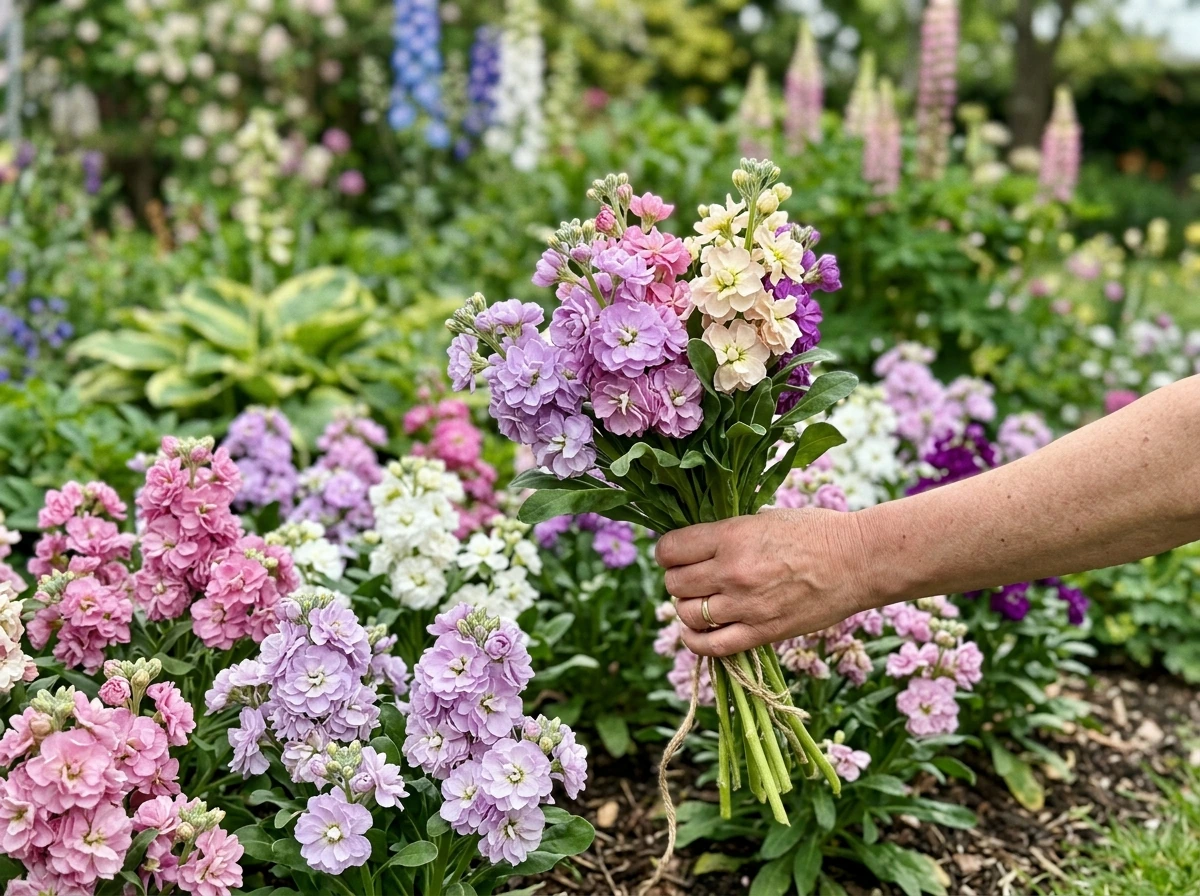
How to Grow Stock Flowers From Seed to Bloom
Step-by-step how to grow stock flowers from seed to bloom, including timing, care, troubleshooting, and cut-flower harve