
If you searched 'how to grow duck flower' and landed here, the first thing you need to do is confirm exactly which plant you have. That sounds like a strange starting point, but it matters more with this one than almost any other flower I've grown. Once you know what you're working with, the actual growing process is totally manageable, even for beginners. Here's everything you need to get from seed to spectacular bloom.
How to Grow Duck Flower: Step-by-Step Care and Blooms

James Holloway
24 Mar 2026
What 'duck flower' actually refers to (and how to confirm yours)
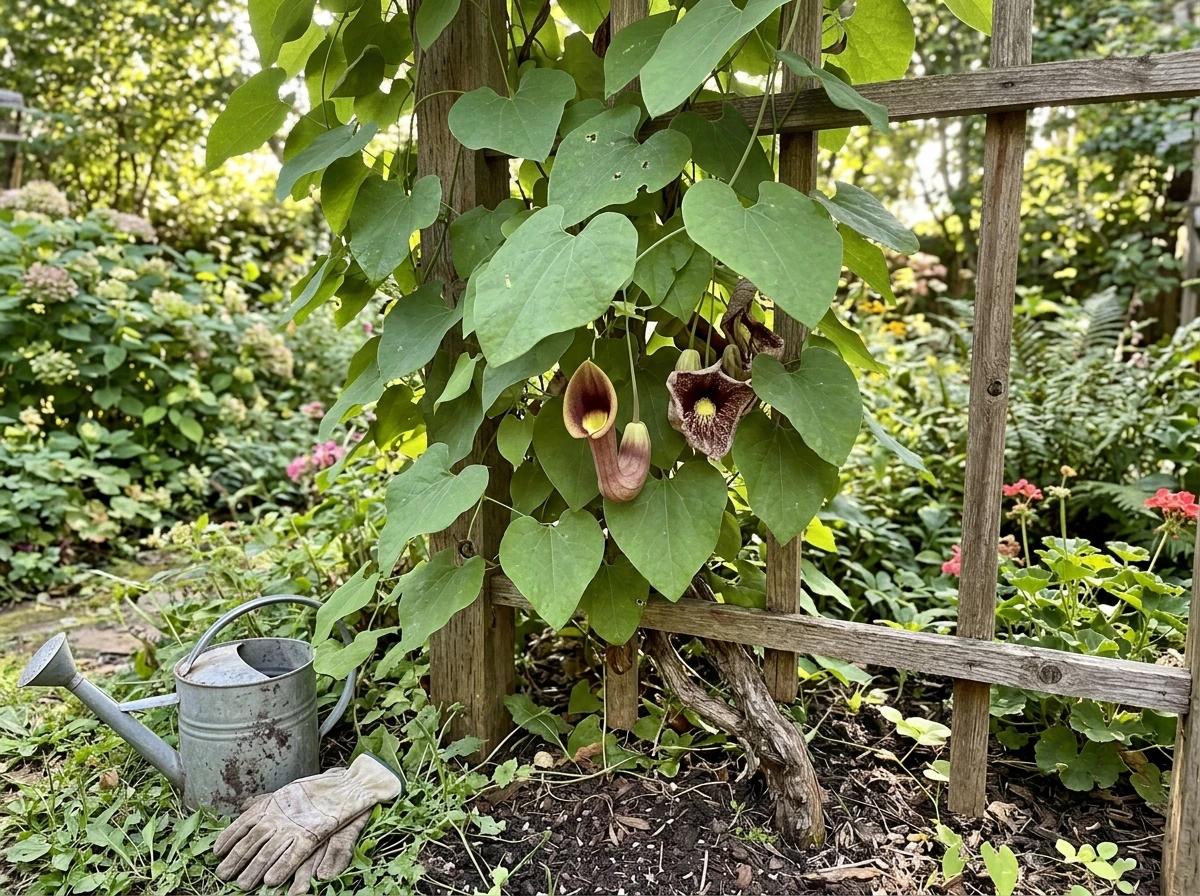
The name 'duck flower' doesn't belong to a single plant. It's a loose common name that floats around a few different species. Most of the time, when people search for duck flower in a gardening context, they're thinking of Aristolochia grandiflora, which goes by a whole cluster of bird-inspired nicknames: pelican flower, goose flower, swan flower, and yes, duck flower. It's a tropical vine with bizarre, dramatic blooms that genuinely look like a bird or a pipe depending on the angle. It's also sometimes lumped with related species like Aristolochia macrophylla (pipevine or Dutchman's pipe) and Aristolochia tomentosa.
But here's the catch: 'duck flower' is also used for completely unrelated plants. Sagittaria latifolia, for example, is sometimes called duck potato and gets tangled up in similar searches. It's a wetland plant with an entirely different care profile. Growing it like Aristolochia would be a disaster, and vice versa.
So before you do anything else, flip over your seed packet and find the Latin name. That two-word botanical name (genus and species) is your source of truth. If it says Aristolochia grandiflora, Aristolochia macrophylla, or another Aristolochia species, you're in the right place and everything below applies. If it says something else entirely, do a quick search on that Latin name first to make sure you're following the right care guide.
For the rest of this guide, I'll be talking about Aristolochia species, since that's what 'duck flower' most reliably refers to in ornamental gardening. Most of the advice applies across the genus, and I'll call out any meaningful differences between species where they matter.
Getting the growing conditions right
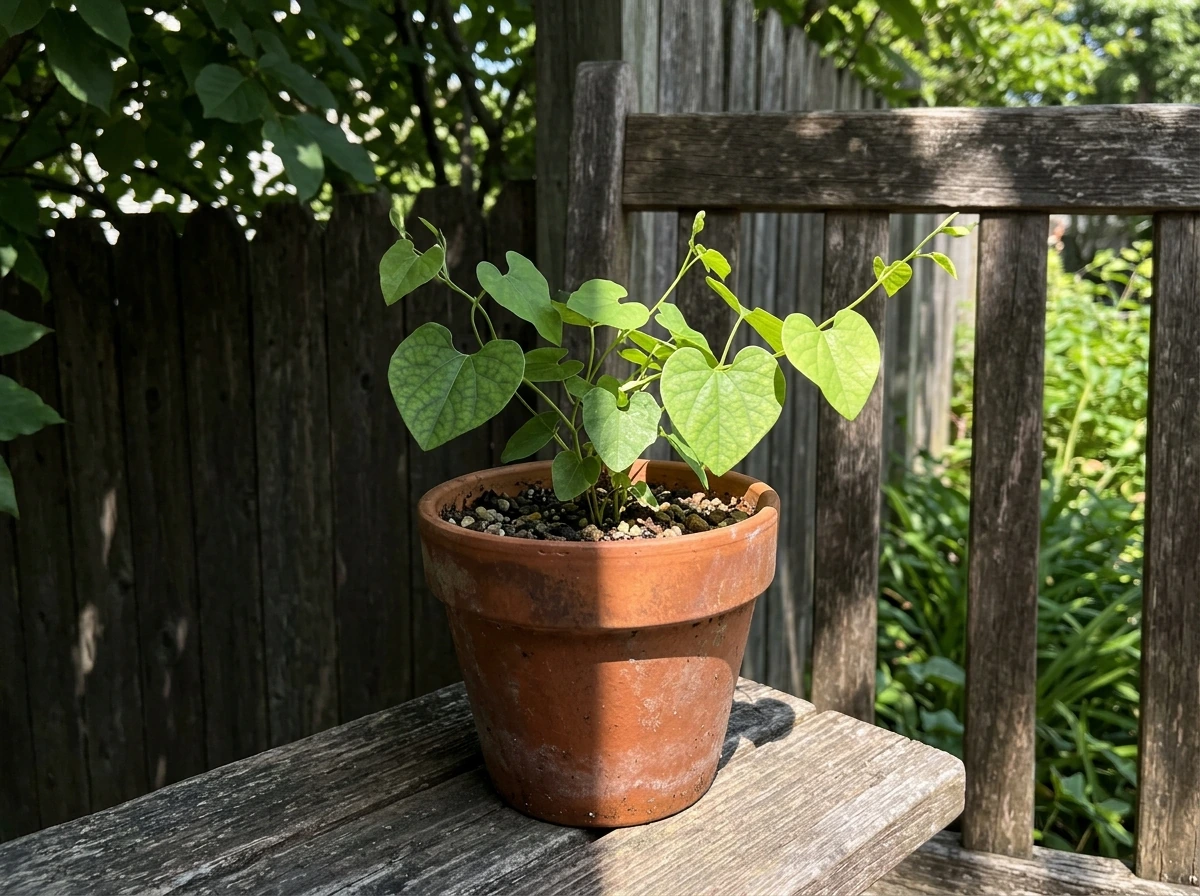
Aristolochia is forgiving once established, but you'll get far fewer headaches if you put it in a good spot from the start. Here's what it actually wants.
Light
Full sun to part shade works well. Aristolochia macrophylla in particular is listed as tolerating both, which makes it one of the more flexible vines for gardens with mixed light. In hotter climates (think USDA Zone 8 and above), some afternoon shade helps prevent stress. In cooler zones, full sun gives the vine the energy it needs to put on real growth and bloom reliably.
Soil
Aristolochia is remarkably tolerant of soil pH. The range listed for macrophylla spans pH 5.0 to 8.0, meaning it will grow in everything from acidic woodland soil to slightly alkaline garden beds. A practical sweet spot is somewhere between 6.0 and 7.2 (slightly acidic to neutral), which is also where most garden soil naturally lands. Good drainage matters more than perfect pH, so if your soil is compacted or waterlogged, amend it with compost before planting.
Moisture
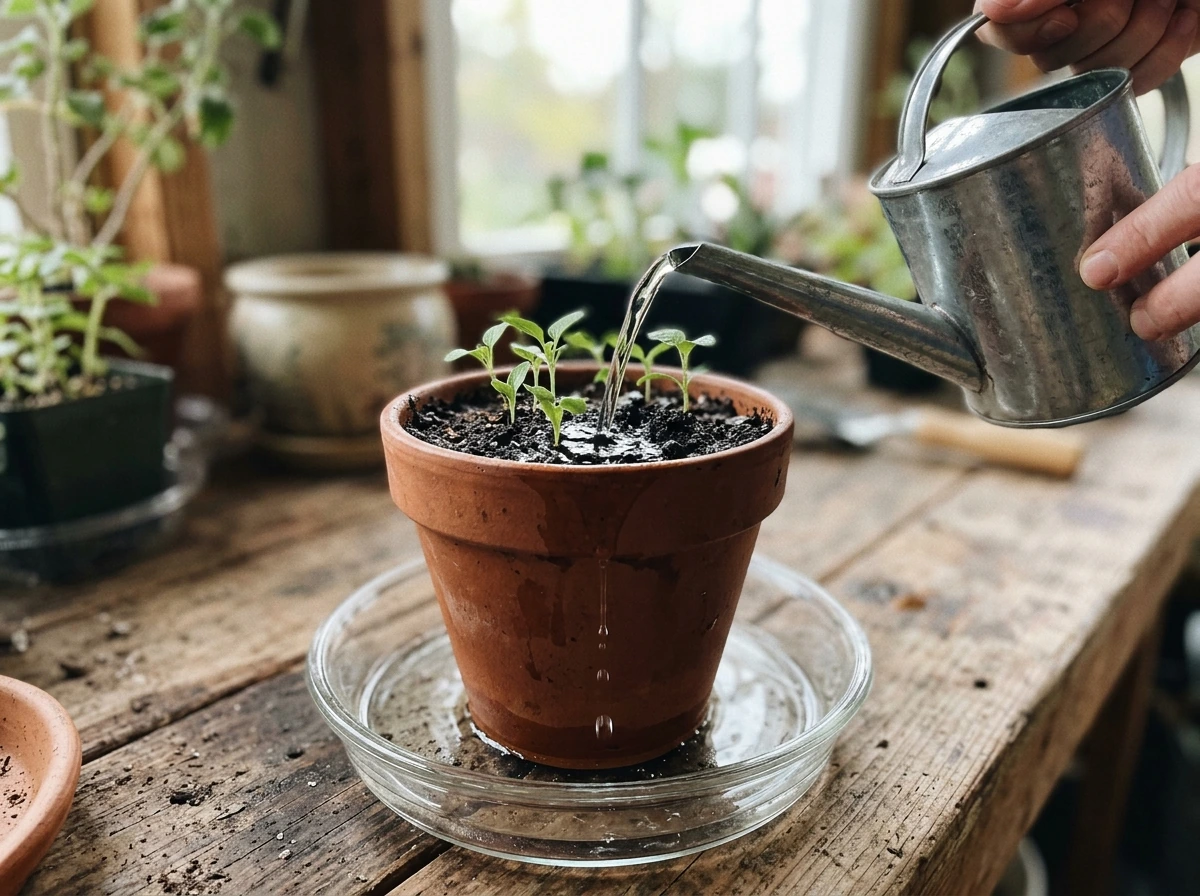
Water consistently during establishment, which is the critical window. The Logee's guidance on Aristolochia specifies thorough watering: saturate the soil until a little water runs from the bottom, then let the top inch dry before watering again. Once established, Aristolochia develops reasonable drought tolerance, but 'established' can take a full growing season or two. Don't let seedlings or newly transplanted vines dry out completely in year one.
Temperature
This is where the species distinction matters. Aristolochia grandiflora is a tropical species and doesn't handle frost. If you're in Zone 9 or warmer, it can stay in the ground year-round. Anywhere cooler, treat it as an annual or bring it inside for winter. Aristolochia macrophylla is much hardier, generally rated for Zones 4 through 8, and will die back and return from the roots each spring. Check your specific species against your hardiness zone before deciding where to plant it permanently.
Starting duck flower from seed
Growing Aristolochia from seed is one of those projects where patience is genuinely the most important skill. These seeds are not quick germinators. Set the right expectations upfront and the process becomes much less frustrating.
Pre-treating the seeds
Almost every reliable source on Aristolochia germination recommends a water soak before sowing. For Aristolochia grandiflora, soak seeds in warm water for 24 hours before planting. For best results, change the water once or twice during that soak period. This helps wash out germination inhibitors that are naturally present in the seed coat and softens the outer layer to encourage sprouting. Some growers extend the soak to 48 hours with good results.
For Aristolochia macrophylla (and some other temperate species), you may also need cold stratification: a period of cold, moist chilling that mimics winter and breaks deep dormancy. If you're sowing in late winter or early spring, you can cold-stratify seeds in a damp paper towel inside a zip-lock bag in the fridge for 3 to 6 months before your spring sow date. Alternatively, do a fall outdoor sow and let nature handle the stratification over winter. Either approach works. Skipping stratification for macrophylla often means very poor or no germination.
When to sow
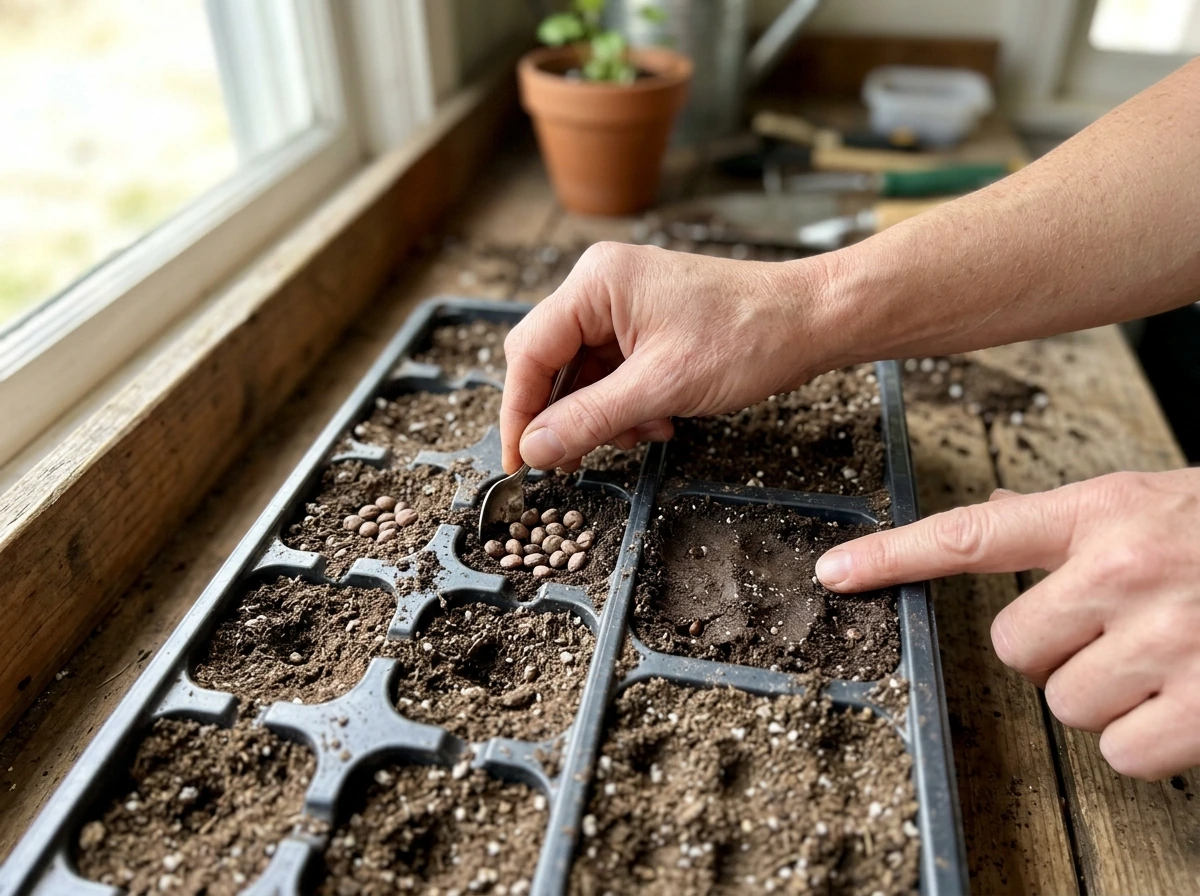
For Aristolochia grandiflora (the tropical duck flower), sow in spring when temperatures are warming and day length is increasing. Indoors, that means starting seeds 8 to 10 weeks before your last frost date if you want a head start. For temperate Aristolochia species like macrophylla, either start cold stratification in fall for spring sowing, or direct sow outdoors in fall and let winter do the work. If you're in a zone with reliable cold winters, the fall outdoor sow is honestly the lower-effort option and often gives better germination rates.
Sowing depth and setup
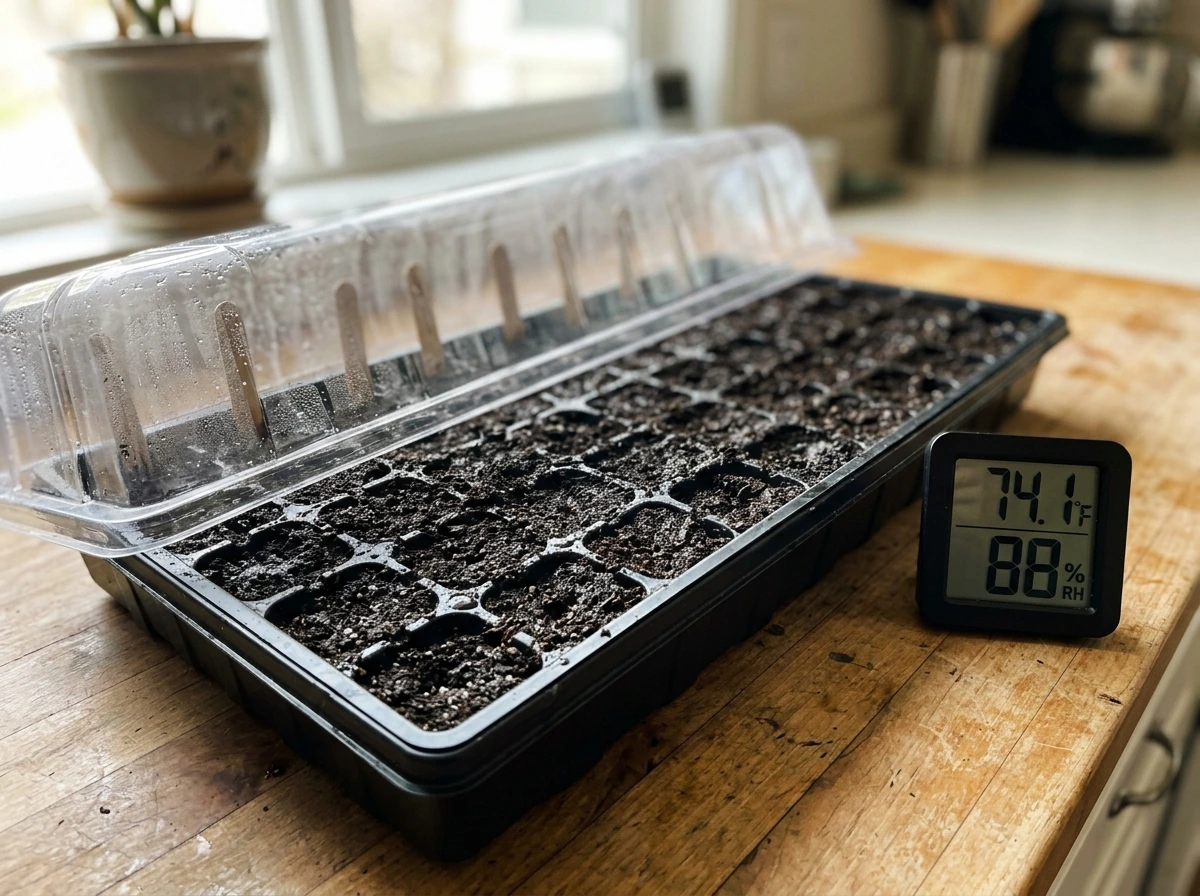
Sow Aristolochia seeds about 1/4 inch deep. Tamp the soil gently after covering to ensure good seed-to-soil contact. Use a sterile seed-starting mix rather than garden soil. This is non-negotiable. Garden soil can introduce the fungal pathogens that cause damping off, which will kill seedlings at the soil line almost overnight. A sterile commercial mix eliminates that risk. Keep the mix consistently moist but not waterlogged, and maintain temperatures around 65 to 75 degrees Fahrenheit for germination.
Germination timeline (this is the patience part)
Don't expect quick results. Aristolochia elegans can take 2 to 3 months or longer to germinate, and research on related species shows average germination times well above 290 hours under optimal conditions, with wide variability. Some seeds sprout in a few weeks; others wait until conditions are exactly right. Keep the tray somewhere consistent in temperature and moisture, don't give up after a month, and resist the urge to dig around and check. Mark your tray with the sow date so you can track how long it's been.
Planting out and spacing
Once your seedlings have two to four true leaves and outdoor temperatures are settled (no more frost risk for tropical species), they're ready to move outside. Harden them off over 7 to 10 days by setting them outside in a sheltered spot for a few hours each day, gradually increasing sun and wind exposure before transplanting.
Aristolochia is a vine, so it needs something to climb. Plan your support structure before you plant. A fence, trellis, arbor, or pergola all work. Give each plant at least 3 feet of horizontal space at the base, and assume the vine will reach 10 to 20 feet or more over time depending on species and climate. For Aristolochia grandiflora in warm climates, it can grow aggressively fast once established.
For direct sowing outdoors (primarily for hardy temperate species in fall), sow at the same 1/4-inch depth, mark your spots clearly so you don't accidentally disturb dormant seeds, and mulch lightly over the seed bed to buffer temperature swings. Direct sowing works best in beds that won't be turned or disrupted over winter.
Keeping your duck flower healthy and blooming
Watering
Water deeply and consistently through the first full growing season. Once a week is a reasonable baseline in moderate climates, more in hot or dry spells. The goal is to keep the root zone evenly moist without letting the plant sit in soggy soil. After the first year, established Aristolochia handles dry spells better, but 'drought tolerant once established' doesn't mean 'ignore it.' Regular watering during flowering keeps the blooms coming.
Fertilizing
Feed at moderate levels. A balanced slow-release fertilizer applied in spring as growth begins, followed by a liquid feed every 3 to 4 weeks through the growing season, gives the vine what it needs without pushing all that energy into leaves at the expense of flowers. Avoid heavy nitrogen feeding once the plant is actively growing, since too much nitrogen favors leafy growth over blooms.
Deadheading and bloom care
Aristolochia flowers are not like a marigold or snapdragon where regular deadheading directly triggers more blooms in the same way. The flowers are produced on the vine as it grows. The main lever for more blooms is supporting vigorous, healthy vine growth: good light, consistent water, and regular feeding. That said, removing spent flowers and any seed heads as they form keeps the plant looking tidy and directs energy back into the vine rather than seed production.
Pests and disease basics
The two pests most consistently flagged for Aristolochia are slugs and mealybugs. Slugs are particularly destructive to young seedlings and can demolish new growth at the base of the plant overnight. Check for them after rain, use slug traps or barriers around the base, and clear any debris where they shelter. Mealybugs show up as white cottony clusters in leaf joints and on stems. Treat with insecticidal soap or neem oil at the first sign, since they spread quickly.
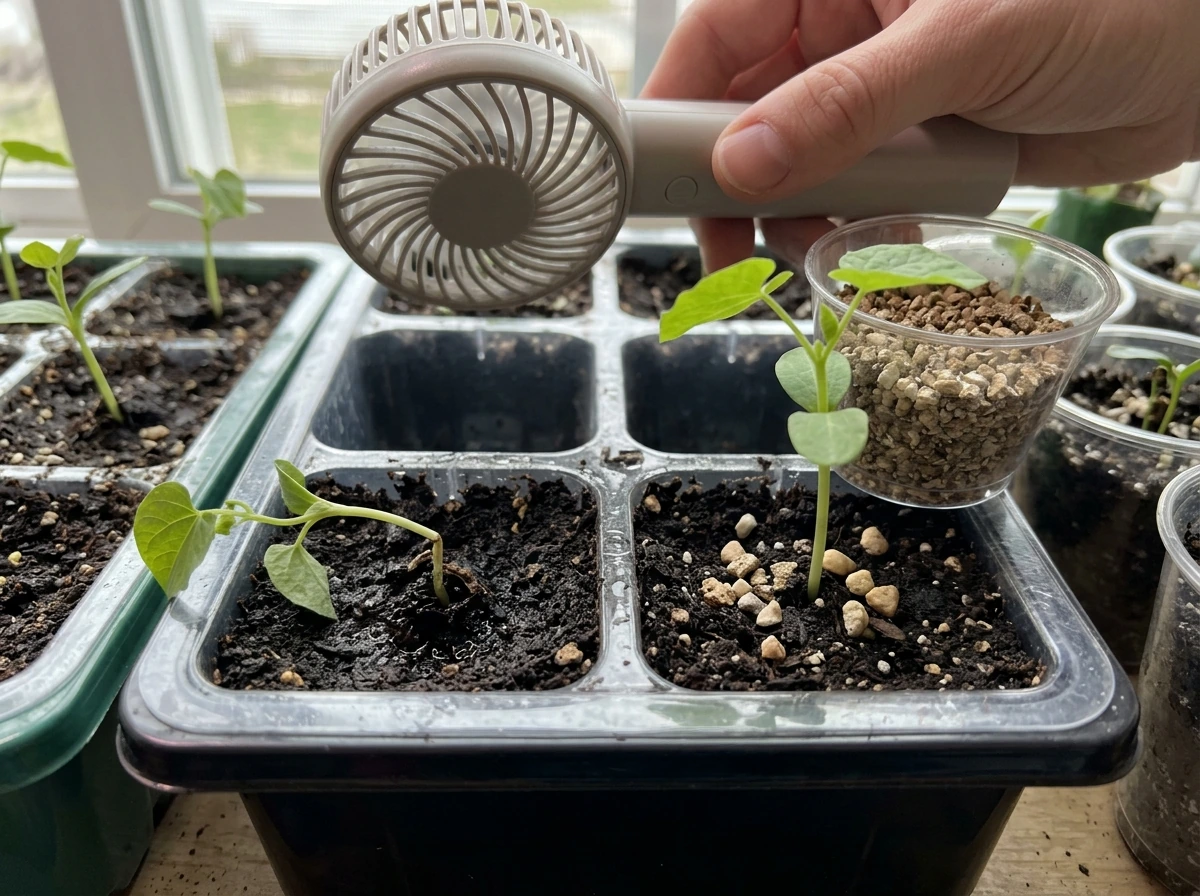
Damping off is the main disease risk at the seedling stage, and it's almost entirely preventable. Use sterile seed-starting mix, ensure good airflow around seedlings, avoid overwatering, and don't let trays sit in standing water. If you've had damping off in previous seasons, start fresh with new mix and sanitized trays.
When things go wrong: troubleshooting the common problems
| Problem | Likely Cause | What to Do |
|---|---|---|
| Seeds won't germinate | Skipped pre-treatment or wrong species needs stratification | Soak seeds 24–48 hours before sowing; cold-stratify temperate species 3–6 months; be patient up to 3 months |
| Seedlings collapse at soil line | Damping off fungal disease | Switch to sterile seed-starting mix; improve airflow; reduce overwatering; sanitize trays |
| Leggy, stretched seedlings | Not enough light after germination | Move to a brighter window or under grow lights 12–16 hours per day as soon as seedlings emerge |
| Slow or no vine growth after transplant | Transplant shock or poor site conditions | Check drainage, pH, and light; water consistently; give it a few weeks to settle before worrying |
| Vine grows well but no flowers | Too much nitrogen, too little light, or immature plant | Reduce nitrogen feed, ensure at least 6 hours of sun, and note that young plants may not flower in year one |
| Holes in leaves or missing foliage | Slugs or caterpillars | Check under leaves and at soil level at night; apply slug control; inspect for caterpillars and remove by hand |
One thing worth saying directly: Aristolochia in its first year often just doesn't flower, especially from seed. That's normal, not a failure. The vine is putting its energy into root and stem development. If your plant grew well and stayed healthy through year one, you're set up for flowers in year two. Don't pull it up and start over just because the first season was all leaves.
Seasonal timing: what to do when, and what to expect
Here's how the year maps out depending on your climate and which species you're growing.
- Fall (September to November): For temperate species like Aristolochia macrophylla, this is an ideal time to direct sow outdoors or begin cold stratification in the fridge. If you're in Zone 5 to 8, a fall sow lets winter handle the dormancy requirement naturally. Tropical Aristolochia grandiflora should be brought indoors before first frost in frost-prone zones.
- Winter (December to February): Keep stratifying seeds if you're doing it indoors. For established temperate Aristolochia, the vine dies back to the ground and goes dormant. Leave the roots in place. For tropical species overwintering indoors, water minimally and keep in a bright, warm spot.
- Early spring (March to April): This is the main sowing window for grandiflora. Pre-soak seeds 24 to 48 hours, then sow indoors 8 to 10 weeks before last frost. For macrophylla, move stratified seeds from the fridge to a warm germination spot, or watch for outdoor fall-sown seeds to begin emerging as soil warms.
- Late spring (May to June): Harden off and transplant seedlings after frost risk passes. Install your support structure now if you haven't already. Macrophylla planted in good conditions may show flowering as early as late May or June in warmer parts of its range.
- Summer (June to August): Peak flowering season for most Aristolochia species. Aristolochia macrophylla typically blooms June through August. Keep up with watering and feeding. Monitor for slugs and mealybugs. Enjoy the show.
- Late summer to fall (September to October): Seed pods mature on temperate species by September and October. If you want to save seeds, let pods dry on the vine before harvesting. Begin preparing tropical species for overwintering as temperatures drop.
If you're reading this in late March (which is right around now as I'm writing this), and you're in Zone 5 to 7, you're actually in a great window to start grandiflora seeds indoors or to pull your cold-stratified macrophylla seeds out of the fridge and pot them up. In Zone 8 and warmer, you may already be able to transplant established seedlings outside if your nights are consistently above 50 degrees Fahrenheit.
Growing duck flower from seed is genuinely one of the more rewarding long-game projects you can take on. It asks for patience upfront, especially during germination, but once that vine starts climbing and those dramatic, alien-looking blooms open up, it's the kind of plant that stops people in their tracks. Get the identification right, give it the right site, respect the germination timeline, and take care of it through its first season. After that, it mostly takes care of itself. If you're also exploring other flowering vines and seeds, guides on growing wildflower seeds how to grow can give you useful context for managing a mixed cutting garden alongside your Aristolochia. cornflower seeds how to grow. how to grow flowers at home
FAQ
Can I grow duck flower from cuttings or division instead of seed?
Yes, but only after you confirm you have a hardy Aristolochia species and you can protect it from cold. Temperate types like Aristolochia macrophylla can be propagated by dividing established root clumps in spring, then replanting quickly into prepared, well-draining soil. For tropical species like A. grandiflora, division often struggles outdoors in cooler climates, so container growth and winter protection indoors are usually the safer route.
How do I prevent damping off while still keeping seeds moist enough to germinate?
Plan to keep the vine where you can give it steady warmth and high humidity when you germinate, but after transplanting focus more on drainage and sun than on humidity. If your seedlings stay wet for long periods, damping off risk climbs fast, even if the air is humid. Use a clear humidity dome only until emergence, then vent daily to avoid constantly saturated mix.
When should I start feeding my duck flower seedlings and how strong should the fertilizer be?
Look for true leaves and healthy stem growth before fertilizing, especially in containers. If you see yellowing or slow growth right after potting up, wait before adding more fertilizer, because tender seedlings are often sensitive to salt buildup. Use diluted liquid feed at first, then move to your normal schedule once the plant is clearly established and actively climbing.
What’s the best way to train duck flower on a trellis so it doesn’t get damaged?
Give the vine a climbing path early, then secure it as it grows. A common mistake is waiting until the plant is long and then forcing it onto trellis wires, which can snap flexible stems. Soft ties that can be adjusted as the vine thickens work best, and place the trellis close enough that the vine reaches it without stretching across bare ground.
How should I water duck flower during dormancy or winter?
In winter, do less watering rather than more, but do not let the root zone completely dry out for extended periods. For hardy, dieback species, water lightly during long dry spells when the ground is not frozen, and stop heavy watering when cold weather slows growth. For tropical species kept indoors or in containers, keep the soil barely moist and increase airflow to reduce fungal issues.
My duck flower has lots of leaves, but no blooms. What should I check first?
If flowers are absent in year one, it is usually normal, but if you get no blooms after year two, check three basics: light level, consistent watering during active growth, and fertilizer timing. Overly shady locations and letting the vine swing between dry and soggy soil both reduce flowering. Also avoid high-nitrogen feeding late in the season, since that often produces leaves but few buds.
Does deadheading duck flower increase blooming the way it does for other flowers?
Remove spent blooms and seed heads if you want the plant to look tidy, but do not expect deadheading to trigger a new round of flowers the way some perennials do. Instead, treat bloom production as a growth-and-vigor problem, keep feeding through the season, and maintain strong light and a stable moisture schedule to encourage the next growth flush.
Can I transplant duck flower once it has started growing outdoors, and how do I minimize transplant shock?
Yes, but do it for the right reason and at the right time. In most climates, transplant shocks the vine if the roots are disturbed, so it is usually best to move established seedlings only after hardening off and after nights are consistently safe for your species. If you must transplant, water the day before, keep as much root mix intact as possible, and avoid fertilizing for about two weeks afterward.
Are there safety or wildlife considerations for growing duck flower?
Duck flower can attract and harm pollinators in unusual ways because the blooms have a deceptive, pipe-like structure that can trap insects temporarily in some Aristolochia species. If you grow it near areas with heavy foot traffic, consider placing it where pets and children cannot reach it, and keep it away from vegetable gardens if pollinator safety is a concern. Also avoid handling the plant repeatedly without gloves, because sap can irritate some people.
What are the most common reasons Aristolochia seeds do not sprout, even when I sow at the right depth?
The seeds can be viable but germination may fail if the soak or stratification step was skipped for temperate species, or if the temperature is too low or inconsistent during germination. Also avoid checking too often, because repeatedly drying out the mix and disturbing the top layer can reset the process. If you have germination after a long delay, keep the tray warm and moist consistently and mark the date so you can distinguish delay from failure.
Next Articles
Wildflower Seeds How to Grow Them From Seed Step by Step
Step by step guide to grow wildflowers from seed: choose mixes, plant timing, soil prep, sowing, watering, and weed cont
How to Grow Flowers From Seeds: Step by Step Guide
Step-by-step guide to grow flower seeds to blooms, including supplies, planting timing, germination, thinning, and care.
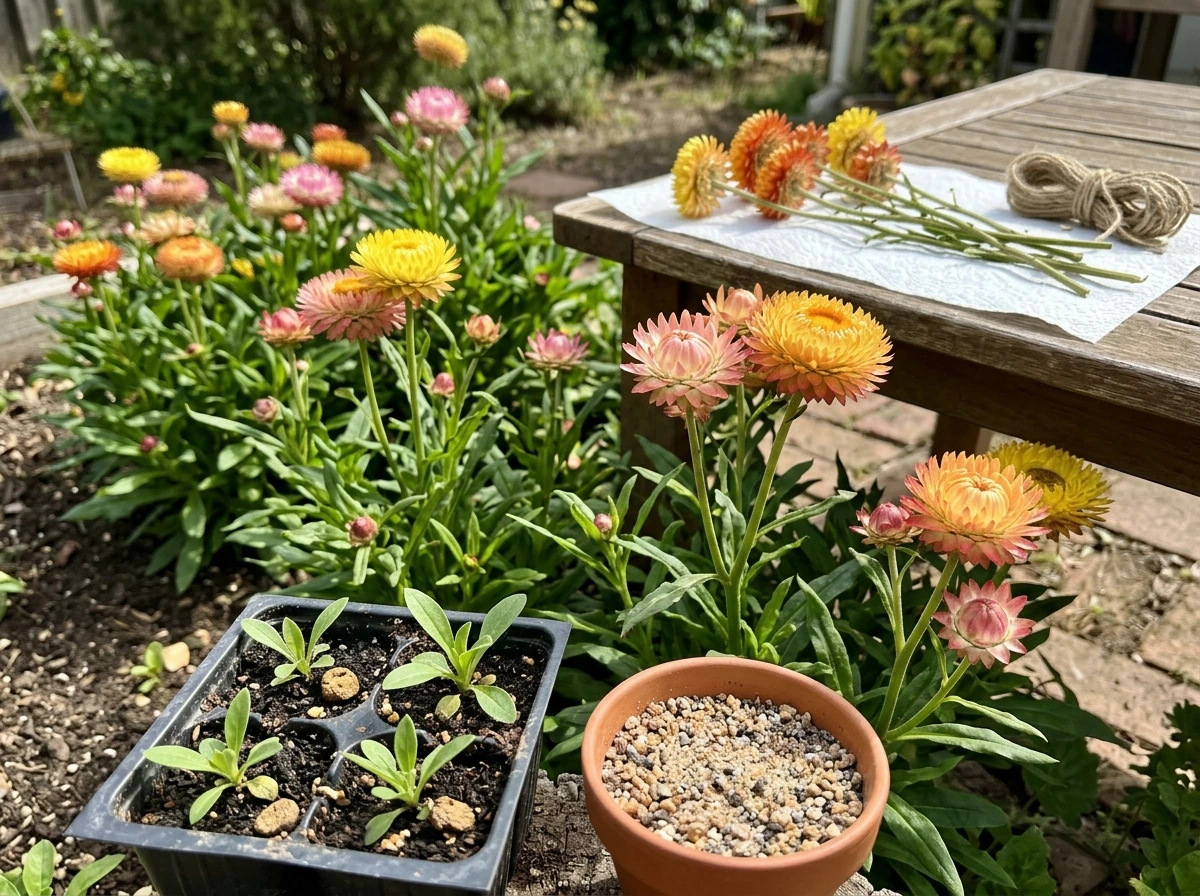
Strawflowers How to Grow From Seed to Bloom and Cut
Step-by-step strawflower how to grow from seed to bloom, including care, cutting for drying, and troubleshooting.