You can grow beautiful flowers at home from seed, even if you have never gardened before. The process is straightforward once you understand the basic workflow: pick flowers that suit your conditions, plan your space, start seeds at the right time, and give your plants consistent care until they bloom. This guide walks you through all of it, from choosing varieties to cutting your first bouquet and keeping the color going all season long.
How to Grow Flowers at Home: Step-by-Step Guide
James Holloway
24 Mar 2026
Choosing the right flowers for your space and climate
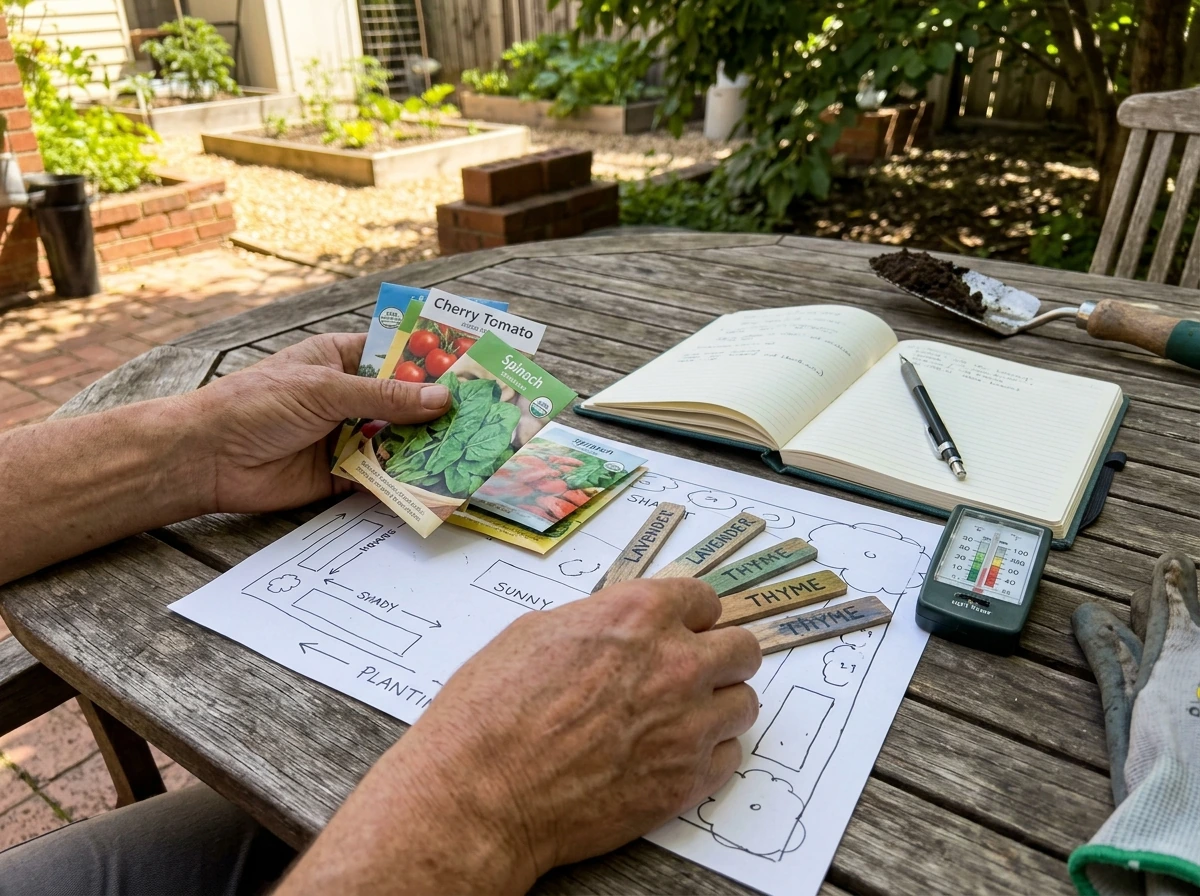
The single biggest mistake beginners make is falling in love with a flower photo and buying seeds without checking whether that plant can actually thrive where they live. Before you order anything, ask yourself three questions: How much sun does my space get? What is my climate and frost timing? And how much space do I realistically have?
Most annual flowers, including marigolds, snapdragons, zinnias, and cosmos, grow and flower best in full sun, meaning at least six hours of direct sunlight per day. If your spot gets less than that, lean toward shade-tolerant options like impatiens or begonias. Trying to force sun-lovers into a shady corner is a reliable way to get leggy, struggling plants with very few blooms.
Your frost dates matter enormously for timing. Cool-season flowers like snapdragons, poppies, and cornflowers love spring and fall temperatures and will bolt or fade in summer heat. Warm-season flowers like marigolds and zinnias need warm soil to thrive and can be killed by a late frost. Look up your last spring frost date before you buy seeds, because that single date drives almost every planting decision you will make.
For space, be honest. A 4x4 foot raised bed or a cluster of containers on a sunny balcony is plenty to start. Bigger is not better when you are learning. A small, well-tended space will outperform a large neglected one every single time.
- Full sun (6+ hours): marigolds, zinnias, cosmos, snapdragons, cornflowers, poppies
- Partial shade (3–5 hours): impatiens, begonias, lobelia, some wildflower mixes
- Cool-season annuals (spring/fall): snapdragons, poppies, cornflowers, stock
- Warm-season annuals (after last frost): marigolds, zinnias, cosmos, celosia
- Small spaces or containers: marigolds, pansies, sweet alyssum, dwarf snapdragons
Planning your home flower garden (sun, soil, containers vs ground)
Once you know what you want to grow, spend a little time mapping your actual sunlight. Walk outside at 10am, noon, and 3pm on a sunny day and note which spots are in direct sun. Shadows shift more than you expect over the course of the day, and that corner that looks bright in the morning might be shaded by your house by early afternoon. Sunlight mapping takes ten minutes and saves months of frustration.
Containers vs. ground: what actually works better for beginners
Both containers and in-ground beds work well, but they behave differently. Containers give you control over soil quality and placement, and you can move them to chase the sun. The trade-off is that outdoor container plants dry out much faster than in-ground plantings, so you will water more often, sometimes every day during hot weather. If you have a sunny patio or balcony, containers are a great starting point.
In-ground beds hold moisture longer and give roots more room to grow, which means larger, more vigorous plants over time. The catch is that native soil quality varies wildly. Before planting in the ground, loosen the top 8 to 12 inches of soil and work in a few inches of compost. This improves both drainage and fertility without much expense.
Whatever you do, never use straight garden soil in containers. In a pot, garden soil compacts quickly, becomes waterlogged, and suffocates roots. Always use a bagged potting mix formulated for containers. If drainage seems slow, mixing in a handful of perlite per gallon of mix will open things up. Most flower roots want consistent moisture but not soggy feet.
Getting the soil and drainage right
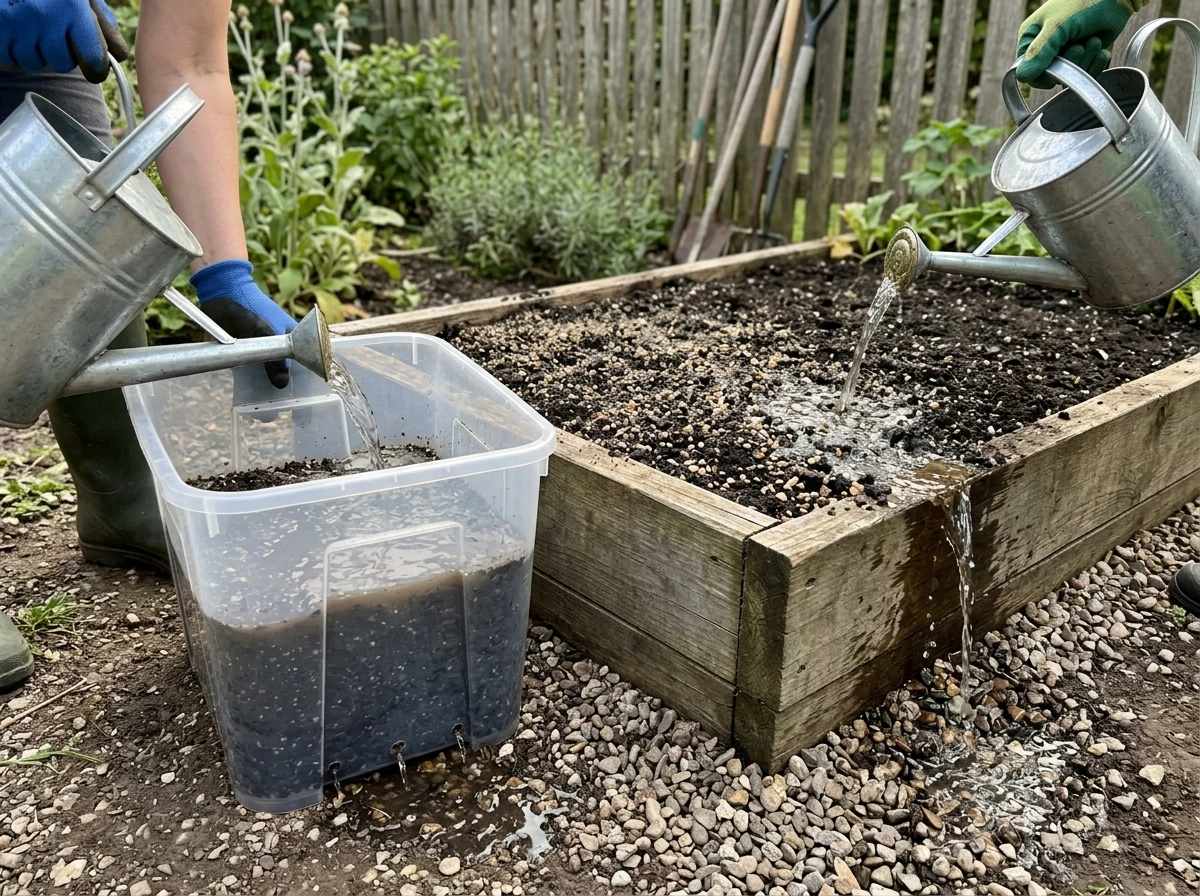
For in-ground beds, aim for a slightly acidic to neutral pH, roughly 6.0 to 7.0, which suits the vast majority of ornamental flowers. A basic soil test from your local extension office costs very little and tells you exactly what your soil needs before you add fertilizer. For containers, quality potting mix usually comes close to the right pH already, so you typically do not need to adjust it.
Drainage is non-negotiable. Flower roots sitting in standing water will rot. In containers, make sure there are drainage holes and that they are not blocked. In beds, if water pools after rain, raise the bed height or add organic matter to improve structure. A simple raised bed filled with a compost-heavy mix sidesteps most drainage headaches entirely.
Growing from seed: timing, light, and transplanting basics
Growing from seed is deeply satisfying and much cheaper than buying transplants. The key is getting your timing right. The method is simple: find your last spring frost date, check the seed packet for weeks to germination and weeks from seedling to transplant, then count backward on a calendar. That gives you your indoor sowing date. Most annual flowers are started about 6 to 10 weeks before the last frost, though some, like impatiens, may need up to 10 to 12 weeks.
Seed-starting setup
You do not need expensive equipment. A seed-starting tray or small pots, a bag of seed-starting mix (not potting soil, which is too coarse), and a warm location are the essentials. Soil temperature during germination matters more than air temperature. Most annuals germinate best when the growing medium is kept between 65 and 75 degrees Fahrenheit. A seedling heat mat placed under your trays makes this easy and costs less than $25.
Light requirements at germination vary by species and this is one detail worth getting right. Marigolds do not need light to germinate and can be lightly covered with seed-starting mix. Snapdragons, poppies, and petunias need light to germinate, so press those seeds gently onto the surface without covering them, or at most cover them with a very thin layer of fine vermiculite. After germination, all seedlings need bright light, ideally from a grow light kept just a few inches above the tray, to avoid leggy, stretched growth.
Moisture during germination should be even and consistent but never waterlogged. Overwatering is the main cause of damping-off, a fungal problem that kills seedlings at the soil line. Water with clean, room-temperature water, around 68 to 77 degrees Fahrenheit, to avoid shocking young roots and to discourage the pathogens that cause damping-off. Bottom watering by placing the tray in a shallow dish of water works beautifully because it keeps the surface from staying too wet.
Germination timing by flower type
| Flower | Germination Temp (°F) | Days to Germinate | Light to Germinate? | Seed Cover? |
|---|---|---|---|---|
| Marigold (African) | 68–72 | 3–5 days | Not required | Yes, lightly |
| Snapdragon | 65–75 | 10–14 days | Yes, needs light | Thin vermiculite only |
| Poppy | ~60 | 3–20 days | Yes, needs light | Surface sow |
| Cornflower | 60–65 | 7–14 days | Not required | Light cover |
| Wildflowers (mixed) | 55–65 | 7–21 days | Varies by species | Surface to light cover |
Transplanting your seedlings outdoors
Before moving seedlings outside, they need to be hardened off. This means gradually introducing them to outdoor conditions over 7 to 10 days. Start by setting them outside in a sheltered, partly shaded spot for an hour or two on the first day, then increase their outdoor time each day. Skip hardening off and you risk sunscald, wind damage, and transplant shock that can set plants back by weeks. It is one of those steps that feels tedious but makes a real difference.
Transplant on an overcast day or in the late afternoon to reduce stress. Dig a hole slightly larger than the root ball, water the plant in well, and give it a few days to settle before going back to a regular care routine. Cool-season flowers like snapdragons can go out a few weeks before your last frost date, while warm-season plants like marigolds should wait until frost risk has passed and soil temperatures have warmed.
Step-by-step care to reach blooms (watering, feeding, pruning, pest control)
Once your plants are in the ground or in containers, your job becomes maintaining steady conditions so they can put their energy into flowering. The biggest variables are water, nutrients, and deadheading. Get these three right and most annuals will reward you generously.
Watering
In-ground flower beds generally need about an inch of water per week from rain or irrigation during the growing season. Containers need more, sometimes daily in hot weather, because they dry out faster. The best way to check is to push a finger an inch into the soil. If it feels dry, water thoroughly until it drains from the bottom. If it still feels moist, wait. Consistent moisture, not drowning and then drying out completely, is what flowers want.
Water at the base of plants rather than overhead when possible. Wet foliage sitting overnight is an invitation to fungal problems. Morning watering is ideal because any water that splashes on leaves has time to dry before evening.
Feeding
Annual flowers have a short season and need regular feeding to sustain heavy blooming. A balanced water-soluble fertilizer applied every two to three weeks through the growing season works well for most annuals. For flowering (as opposed to leafy growth), look for a fertilizer with higher phosphorus relative to nitrogen, since phosphorus supports root development and bloom production. If you did a soil test before planting and amended accordingly, your fertilizing schedule can be lighter, but for containers especially, regular feeding is essential because nutrients leach out with every watering.
Deadheading and pruning
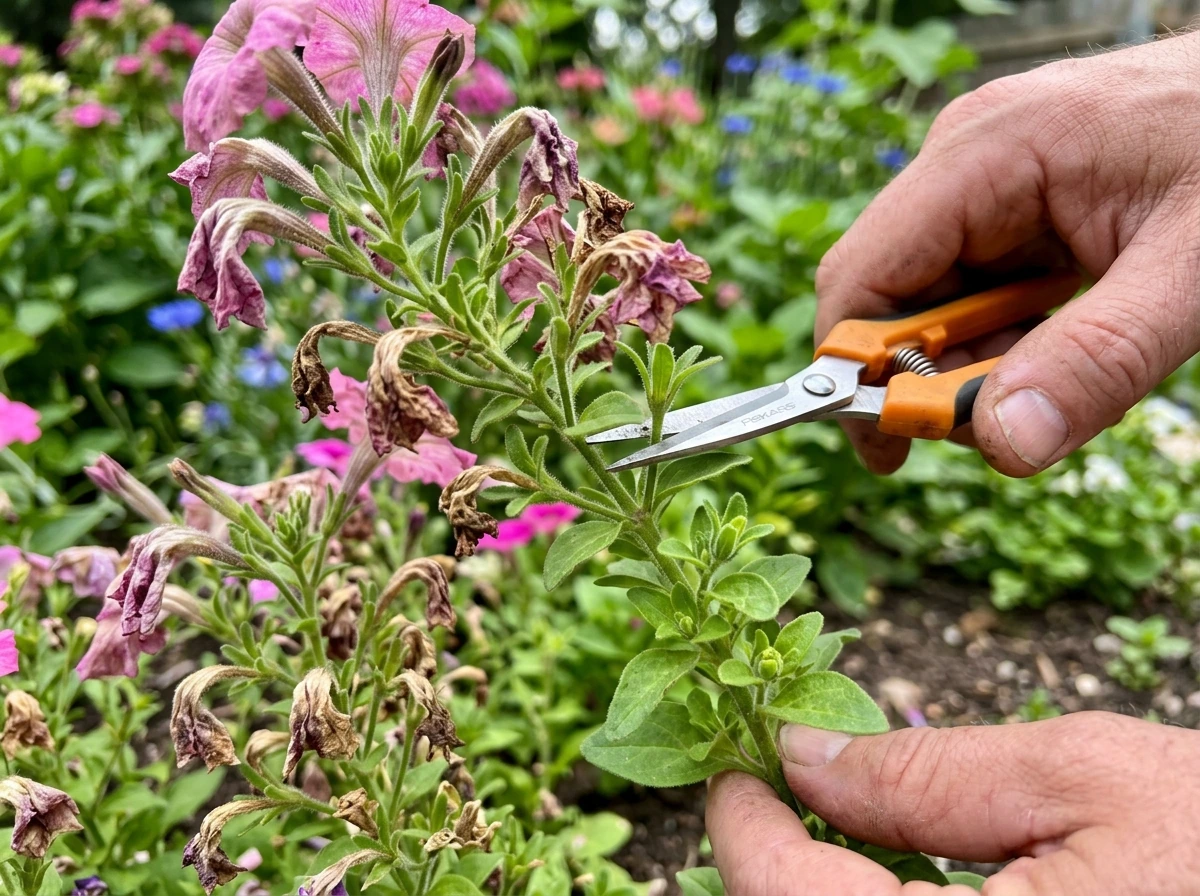
Deadheading, which is removing spent flowers before they can set seed, is one of the most effective things you can do to keep annuals blooming. When a plant forms seeds, it considers its job done and slows flower production. Remove the spent blooms and it keeps trying. For marigolds and snapdragons, regular deadheading can dramatically extend the flowering season. It does not need to be surgical. Just pinch or snip off the faded flower and the stem just below it. A few minutes every few days keeps most plants performing well.
Snapdragons also benefit from a light pinch when they are young, around 4 to 6 inches tall, to encourage branching and more flowering stems rather than one single spike. Marigolds are more forgiving and will branch naturally, but deadheading still greatly benefits their display even if it is not strictly required.
Common pest and disease problems
Aphids, spider mites, and caterpillars are the pests you will encounter most often. For light infestations, a strong spray of water knocks aphids off effectively. Insecticidal soap or neem oil handles heavier outbreaks. Check the undersides of leaves regularly, since pests tend to hide there.
Powdery mildew is the most common disease problem on ornamental flowers, showing up as a white or grayish powdery coating on leaves and stems. It is worse in humid conditions and does not need standing water on leaves to develop. Improve air circulation by spacing plants properly and avoid overhead watering in the evening. For treatment, neem oil, potassium bicarbonate, or sulfur-based fungicides applied to affected foliage are effective options. Always follow the label and avoid applying sulfur-based products within two weeks of an oil application, since combining the two can damage plant tissue.
Damping-off during seed starting is almost always caused by overwatering, poor airflow, or using contaminated equipment. Use clean trays, fresh seed-starting mix, and clean water. If you see seedlings collapsing at the soil line, improve airflow immediately and let the mix dry out slightly between waterings. There is no cure once it starts in a tray, so prevention is everything.
Flower-specific guides for popular types
Every flower has its own personality, and a few targeted tips for the types you are growing will save you a lot of guesswork. Here is practical guidance for some of the most rewarding flowers to grow from seed at home.
Marigolds
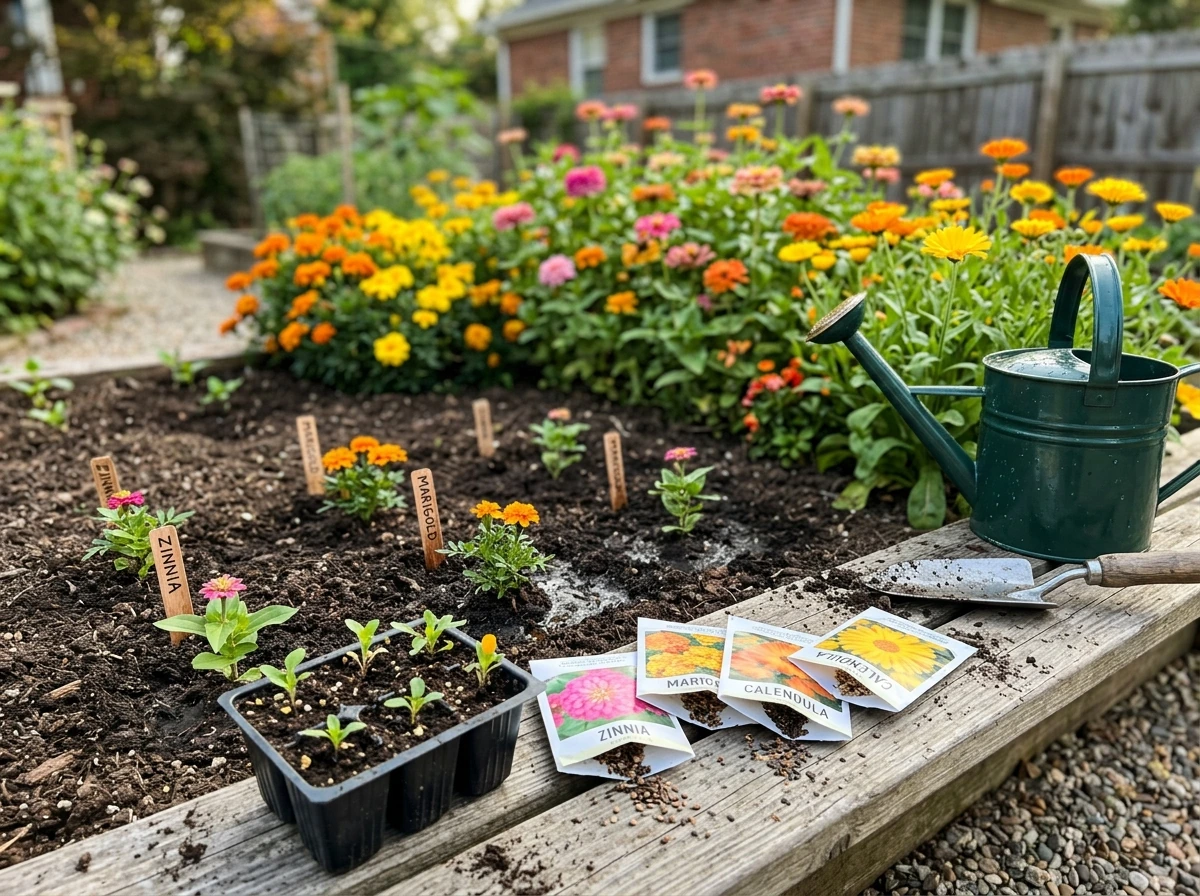
Marigolds are probably the most forgiving flower you can grow from seed, which makes them a perfect first-timer's plant. African marigolds (Tagetes erecta) germinate in as little as 3 to 5 days at soil temperatures between 68 and 72 degrees Fahrenheit. Cover seeds lightly with seed-starting mix since they do not need light to germinate. Start them indoors 4 to 6 weeks before your last frost date, or direct sow after frost once soil has warmed. Deadhead consistently and they will bloom from early summer through the first hard frost. They also naturally deter some garden pests, which is a bonus.
Snapdragons
Snapdragons are cool-season flowers that shine in spring and fall but struggle in summer heat. Surface sow or cover seeds with only the thinnest layer of fine vermiculite, since they need light to germinate. Keep germination temperatures between 65 and 75 degrees. Some growers chill seeds at 40 to 47 degrees Fahrenheit for 3 to 5 days before sowing to improve germination uniformity, and it is worth trying if your results seem uneven. Transplant seedlings outside 2 to 4 weeks before your last frost date, since they tolerate light frost. Pinch young plants to encourage bushy growth, and deadhead spent spikes to keep new flowers coming.
Poppies
Poppies are best direct sown in the garden because they do not transplant well. Sow seeds on the soil surface in early spring (or fall in mild climates) since they need light to germinate and cold stratification from fluctuating temperatures actually helps them. Keep the soil around 60 degrees and expect germination in anywhere from 3 to 20 days. Thin seedlings to about 6 inches apart once they are a couple of inches tall. Poppies are relatively low-maintenance once established but do not like to be moved, so put them where you want them from the start. You can find more detailed guidance in a dedicated guide to growing poppies from seed.
Wildflowers
A wildflower mix is one of the easiest ways to get a colorful, naturalistic display from seed. Most mixes are designed for direct sowing onto prepared soil, raked in lightly, and kept moist until germination. The catch is that wildflower mixes contain many species with different needs, so germination is staggered over several weeks. Do not give up if nothing seems to happen in the first week. Weed management is the main challenge with wildflower patches since the seedlings can be hard to distinguish from weeds early on. Prepare the soil well to reduce the weed seed bank before you sow. For more specific advice on wildflower seed sowing and variety selection, there is a dedicated guide worth checking out.
Growing a cutting garden
If your goal is fresh bouquets rather than (or in addition to) garden display, a cutting garden approach changes how you plan. You want long-stemmed varieties that hold up well after cutting. Zinnias, sunflowers, lisianthus, strawflowers, and snapdragons are excellent cutting garden staples. Plant them in rows rather than decorative clusters so you can cut stems freely without ruining the garden's look. Stagger plantings every couple of weeks for a continuous supply. Strawflowers are particularly rewarding for cutting because their papery petals retain color and shape beautifully even as they dry.
Harvesting, cutting, and ongoing seasonal succession
Getting your first blooms is a real milestone, but it is also just the beginning. How you cut flowers and how you plan your plantings going forward determines whether you have a garden that peaks and fades or one that gives you color from spring through fall.
How to cut flowers properly
The stage at which you cut matters. For most flowers, cut when blooms are just beginning to open rather than fully open. Fully open flowers have already peaked and will not last long in a vase. Partially open buds continue to open after cutting, giving you more display time. Harvest in the early morning when stems are fully hydrated, or in the evening after the heat of the day. Avoid cutting in the heat of midday.
Use clean, sharp scissors or pruners and cut stems at an angle to maximize the surface area for water uptake. Immediately after cutting, place stems in a bucket of clean water. Before arranging, recut the stem ends underwater or right before placing in the vase to ensure fresh tissue is exposed for water uptake. Strip off any leaves that would sit below the waterline to reduce bacterial buildup. For longevity, adding a floral preservative to vase water, which contains an acidifier and a carbohydrate source, helps buds continue opening and extends vase life significantly.
Succession planting for nonstop blooms
The secret to a flower garden that produces all season rather than one big flush is succession planting. Instead of sowing all your seeds at once, stagger your sowings at roughly two-week intervals. Each wave of plants hits its bloom window a couple of weeks after the last, giving you a continuous rolling display rather than a single peak followed by decline.
In practical terms this means starting your first round of marigolds or zinnias indoors at the right time, then starting another batch two weeks later, and possibly a third batch after that. As earlier plants finish blooming, the next wave is just coming on. This is especially valuable for cutting garden flowers where you want a steady supply rather than one enormous harvest.
Also plan around your seasons. In most climates you can run cool-season flowers like snapdragons and cornflowers in spring, transition to warm-season annuals like marigolds and zinnias for summer, then circle back to cool-season types in late summer for fall color. If you time it well, you can have flowers in bloom from late March through November with only modest effort.
What to do after the season winds down
As the season ends, let a few of your healthiest plants go to seed if you want to save seeds for next year. Marigolds, poppies, cornflowers, and zinnias all produce seeds readily and are easy to collect and dry. Store them in a cool, dry place in labeled paper envelopes. Most flower seeds stay viable for at least 2 to 3 years when stored properly, so you build up a seed stock over time that costs you nothing.
Clear spent plants from beds after frost, add compost to the soil, and your beds will be in better shape for next year than they were this year. Every season you grow flowers, your soil improves, your timing gets sharper, and the process gets easier. how to grow flowers seeds The first year is about learning the rhythm. By year two, you will feel genuinely confident, and by year three you will be the person in your neighborhood whose yard makes everyone slow down as they walk past.
FAQ
What’s the easiest flower type to start with if I want the highest success rate?
Choose quick, forgiving annuals for your first round, like marigolds or cosmos. They handle small mistakes better than finicky cool-season flowers, and you can still direct-sow some varieties once soil warms. If you want to start from seed indoors, marigolds are also a good test crop because they germinate reliably and grow fast enough to see results before you give up.
How can I tell if my plants are getting enough sun without guessing?
Use a simple observation rule: if the plant grows tall and thin, has fewer buds, or constantly “leans” toward the light, it usually means it is short on direct sun. Also compare morning and afternoon growth, since shade often increases later in the day. Your earlier sunlight-mapping walk at 10am, noon, and 3pm helps you confirm whether the weak spot is truly shaded.
Do I have to start everything indoors for the best results?
No. Many annuals do well when direct-sown, especially those that do not transplant well like poppies. A practical approach is to direct-sow seeders that hate moving, and start indoors only the flowers that need a longer growing window or prefer early starts. This reduces transplant shock and simplifies your workflow.
Why do my seedlings keep dying right after they sprout?
The most common causes are overwatering and poor airflow during seed starting. If seedlings collapse at the soil line, stop watering immediately, improve ventilation around the trays, and let the mix dry slightly between waterings. Make sure you are using seed-starting mix (not coarse potting soil) and clean trays, since contaminated equipment and reused mix can also trigger damping-off.
Can I save money by reusing potting mix in containers?
It’s better not to reuse container mix without refreshing it, because it can become compacted, lose structure, and carry pathogens from the last crop. If you do reuse, you must break it up and amend it substantially, but the simplest low-risk option is to use fresh seed-starting mix for seedlings and fresh container potting mix for flowers.
How do I water correctly when containers dry out quickly?
Water deeply until excess drains from the bottom, then wait until the top inch feels dry before watering again. In hot weather, this can mean daily watering, but the key is checking the moisture rather than following a calendar. Also empty saucers after watering so roots are not sitting in runoff, which leads to rot.
Should I fertilize right away after transplanting?
Often, it helps to wait a little so plants can recover from transplant stress, especially if you are using a nutrient-containing potting mix. A safer first feeding is after you see active new growth (or a couple of weeks after transplant for many annuals), then follow a consistent schedule. Overfertilizing early can also promote leafy growth at the expense of flowers.
What’s the correct way to deadhead different flowers?
For most annuals, removing spent blooms before seeds form keeps them producing. Pinch or snip off faded flowers and the stem just below the spent bloom, then repeat every few days. For snapdragons, you can also encourage bushier growth with a light pinch when they are still young, around 4 to 6 inches tall, which sets up more flowering spikes later.
Why are my flowers blooming less even though the plants look healthy?
Check whether the plant is going to seed (too much time left on spent blooms), is getting inconsistent moisture, or lacks nutrients due to leaching in containers. Another hidden cause is light mismatch, for example a shady afternoon location that produces buds slowly. Use the finger test for watering and consider a fertilizer with higher phosphorus for bloom support during the flowering phase.
How do I prevent powdery mildew without constantly treating?
Focus on conditions first: provide spacing for airflow and avoid wetting foliage late in the day. Water at the base and aim for morning watering so leaves dry quickly. If it does appear, spot-treat affected foliage early with an appropriate option, and watch for product timing conflicts, especially with oil versus sulfur-type treatments.
What should I do if I transplanted and my flowers look shocked?
Give them time and reduce stress immediately after transplant, since transplant shock can set plants back for weeks. Transplant on an overcast day or in late afternoon, water in well, and then keep moisture steady. If heat spikes, use extra shade during the first 1 to 3 days rather than overwatering, because constant soggy soil often worsens the problem.
Can I grow a continuous supply of flowers for bouquets without ruining my display?
Use a cutting garden layout (rows or dedicated sections) and stagger plantings every couple of weeks, so harvest timing is predictable. Choose varieties that hold up after cutting, and keep the main decorative areas separate from the “harvest strip” so frequent cutting does not make the whole garden look sparse.
Next Articles
Steps to Grow a Flower From Seed to Bloom
Step-by-step steps to grow flowers from seed to bloom, including soil, germination, transplant, feeding, deadheading, an
How to Grow Stock Flowers From Seed to Bloom
Step-by-step how to grow stock flowers from seed to bloom, including timing, care, troubleshooting, and cut-flower harve
How to Grow a Flower Garden: Step-by-Step From Seed to Bloom
Step-by-step guide to grow a flower garden from seed to bloom, with planting, care, timing, and troubleshooting.